Search

environmental education Tag

Enviroschools Marlborough / Posts tagged "environmental education" (Page 3)
in the awa

Tua Marina Stream Study

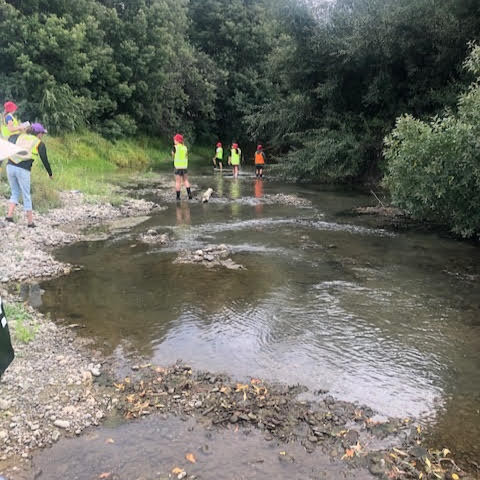
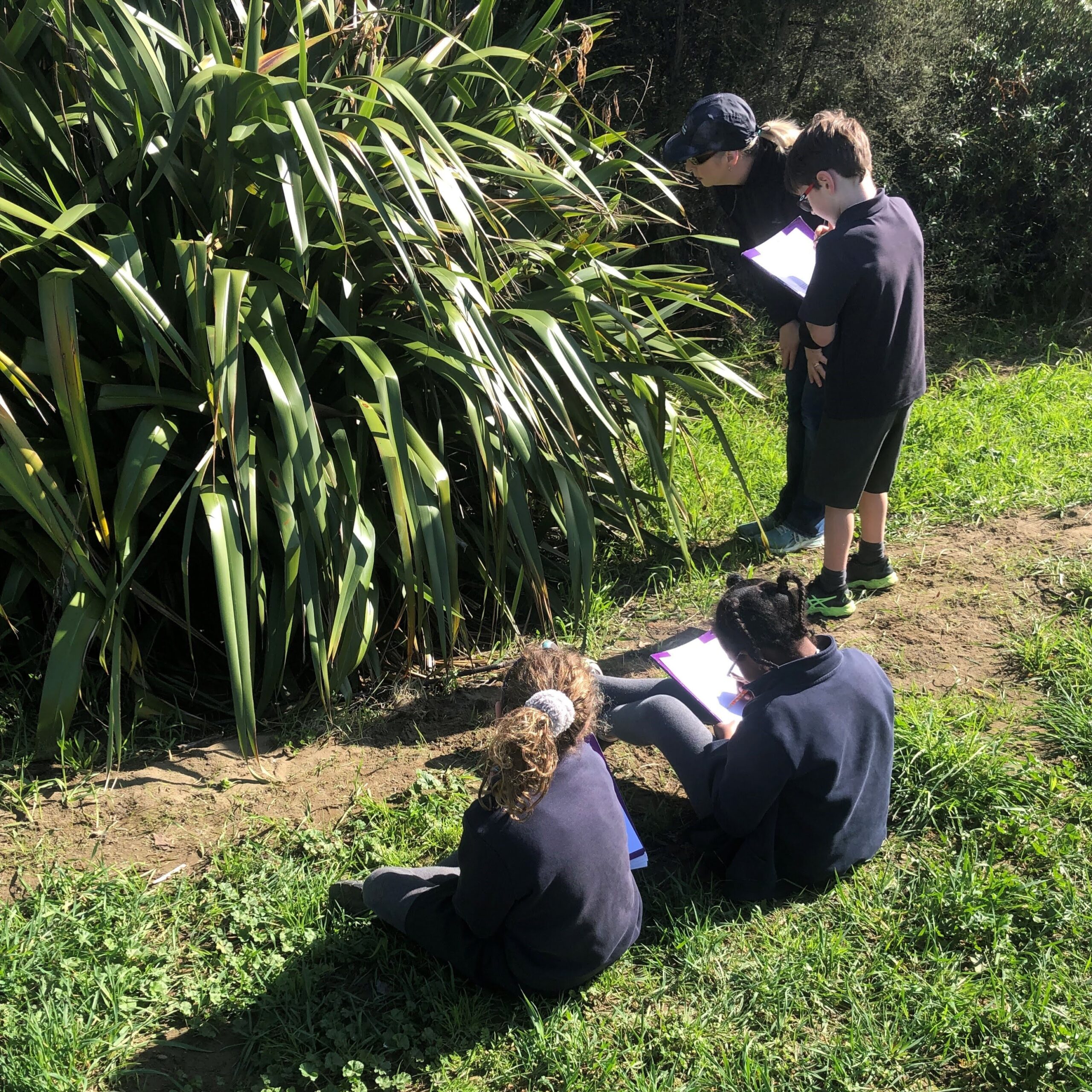
The Tuamarina Awa is a tributary of the Wairau Awa and flows through the largest remaining wetland in the Wairau catchment, the Para Wetland. Unfortunately, the water quality of the Tuamarina awa is rated as marginal, unacceptable water quality that needs to be improved. The awa passes Tua Marina school on the opposite side of SH1.  It’s not an easy place to get to but the senior students wanted to learn more about it. Particularly its health and what they could do to care for it now and in the future. With a whole school inquiry into science, they leapt at the chance to investigate the awa with a scientific lens.  They studied the cycle...

Read More
koru giant weta

Koru Native Wildlife Centre

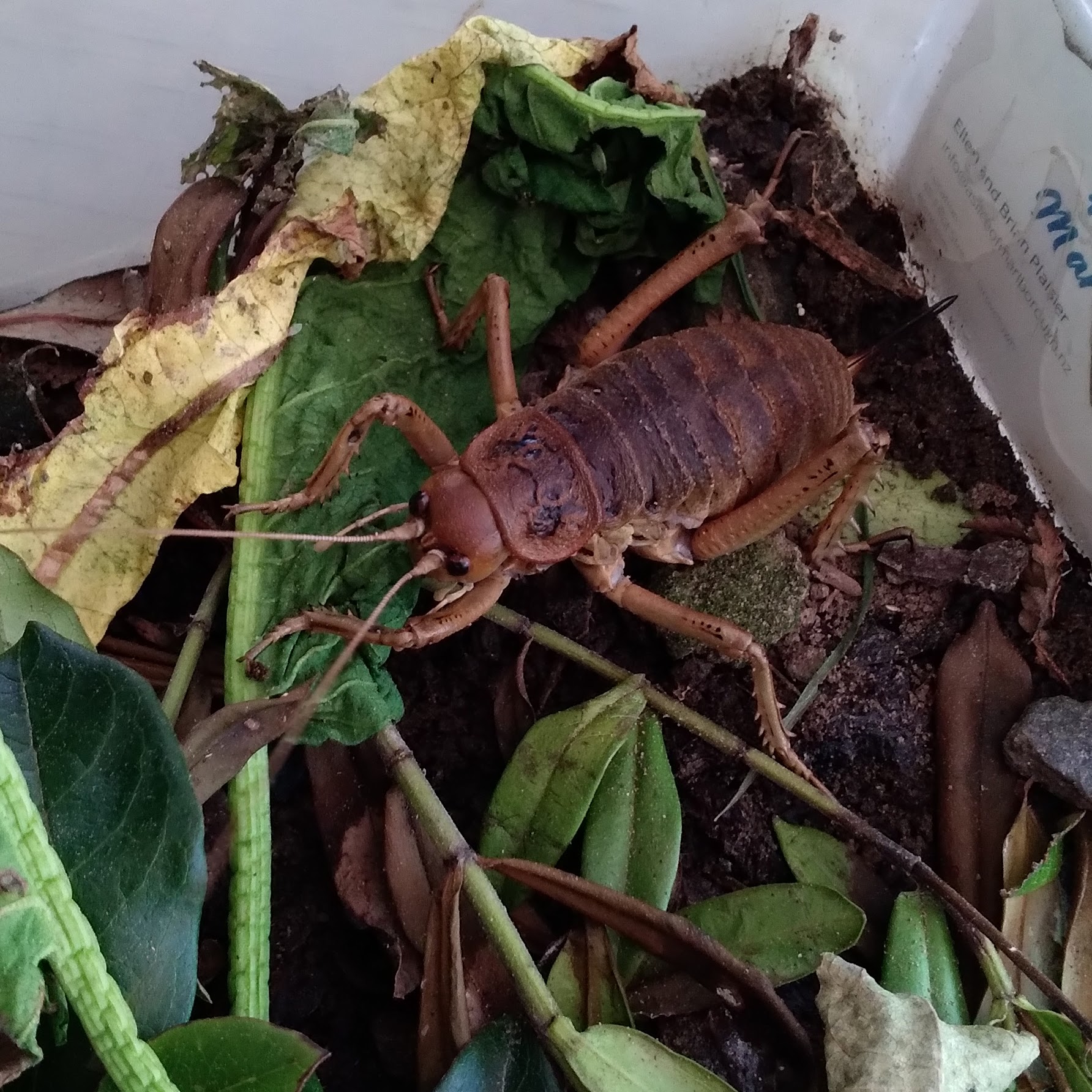
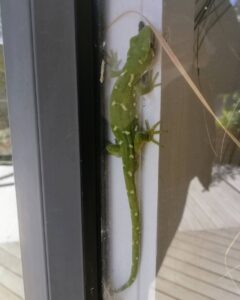
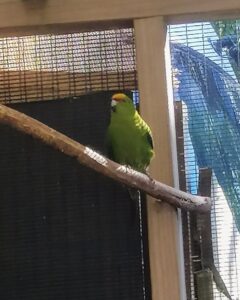
As the clouds parted and the sun broke through Marlborough ECE teachers descended upon Koru Native Wildlife Centre.   The first event offered to Marlborough ECE teachers as part of the new Environmental Education support pilot for Early Childhood Centres was underway.   In line with the regional focus of PLACE and CONNECTION this was an opportunity for teachers to meet Ellen. and see what resources she can support kaiako and tamariki with when learning about some of New Zealands native species.   Koru Native Wildlife Centre is situated in Grovetown. It invites you to get up close and learn about brightly coloured Yellow Crowned Kākāriki, fascinating Giant Wētā and Marlborough Green Geckos. 

The centre is set...

Read More
Grovetown

Grovetown School Student Scientists

The children in Waihi class at Grovetown School have been investigating the health of the creek that runs alongside their school.   After the Grovetown School students first visit to observe the creek they felt pretty confident that it wasn’t in a very good state. But the children wanted some facts to back up what they saw. The children named the weed on top of the creek Frog Porridge. Using the Enviroschools Stream Study Kit they measured the flow, temperature, and clarity of the water, before identifying the creatures that live in the creek. Unfortunately the only creatures they found were small snails. All their tests of the creek failed to meet healthy...

Read More
Sustainable Actions

Sustainable Action Ideas | Term Two 2023

Our term two Sustainable Action Ideas newsletter explores the Enviroschools Guiding Principle of Respect for the Diversity of People and Cultures. It highlights some up coming awareness dates that support this guiding principle as well as shares ideas to celebrate other cultures in your school or centre. There are also a number of workshops happening this term. Click here to access our online Padlets to view this newsletter and previous ones....

Read More
Richmond View at Taylor Awarenesses

Classification of Living Things

The students at Richmond View School became Botanists this term as they explored the classification of native plants on the Taylor Awa. People have always given names to things that they see, including plants and animals. So, of course most of us turn to names as the first form of classification.  It was a scientist, Linnaeus, that first developed a hierarchal naming structure (of 7 parts no less). This conveyed information about what a living thing was and also its closest relatives. Earlier this term, if you happened to be walking your dog down the Taylor Awa, you may have come across Richmond View School students studying the Tui to Town plantings. Their inquiry for...

Read More

Wētā houses at Picton Kindergarten

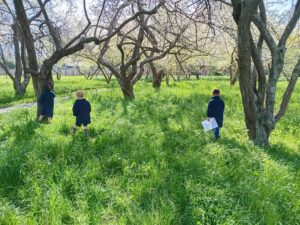
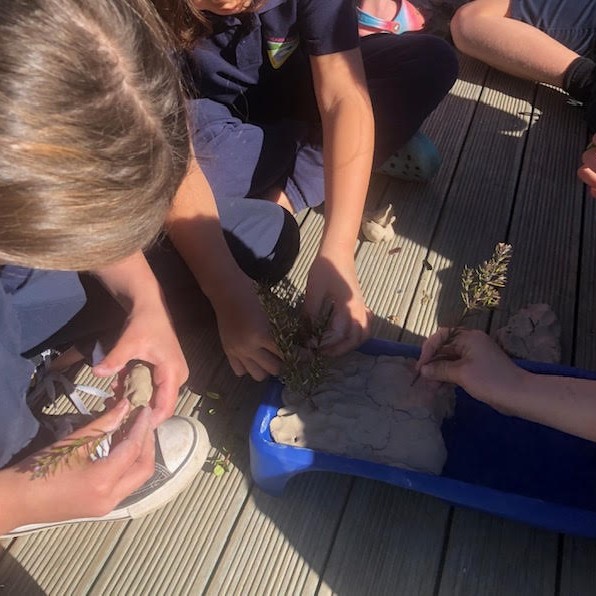
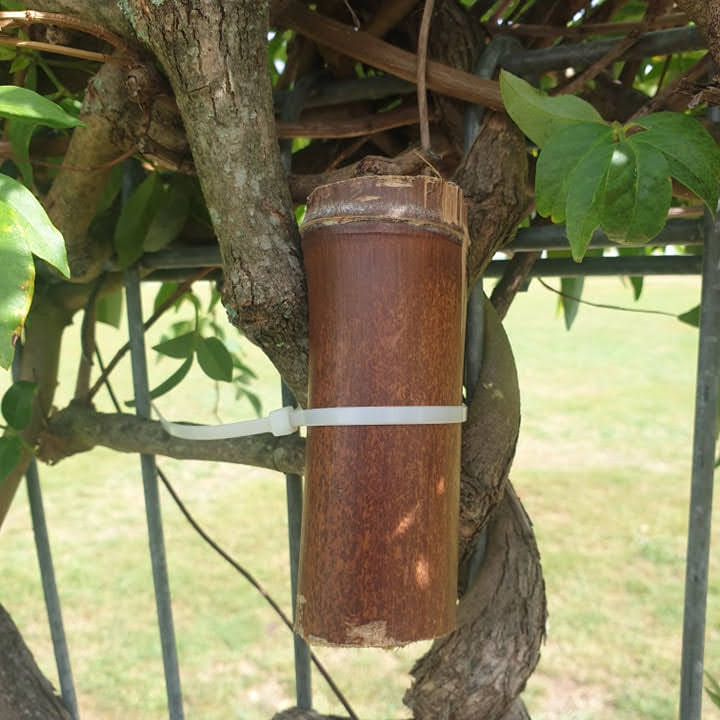
The tamariki at Picton Kindergarten have been learning all about Wētā. This evolved through their exploration of te ngahere and how to care for the native flora and fauna through pest control. It began when one of the tamariki discovered a wētā family in her woodshed. She recognised it as one of our native insects and sent in photos to Kindergarten for everyone to see. Jo, then bought in a real live wētā from her home and they made a habitat for it. This lead to learning about what they like to eat, where they live, how many eggs they lay as well as what predators endanger them. When the tamariki learnt that cats, dogs and hedgehogs endanger wētā, they...

Read More
Linkwater School's sustainable outdoor classroom

Linkwater School wins regional Lions award

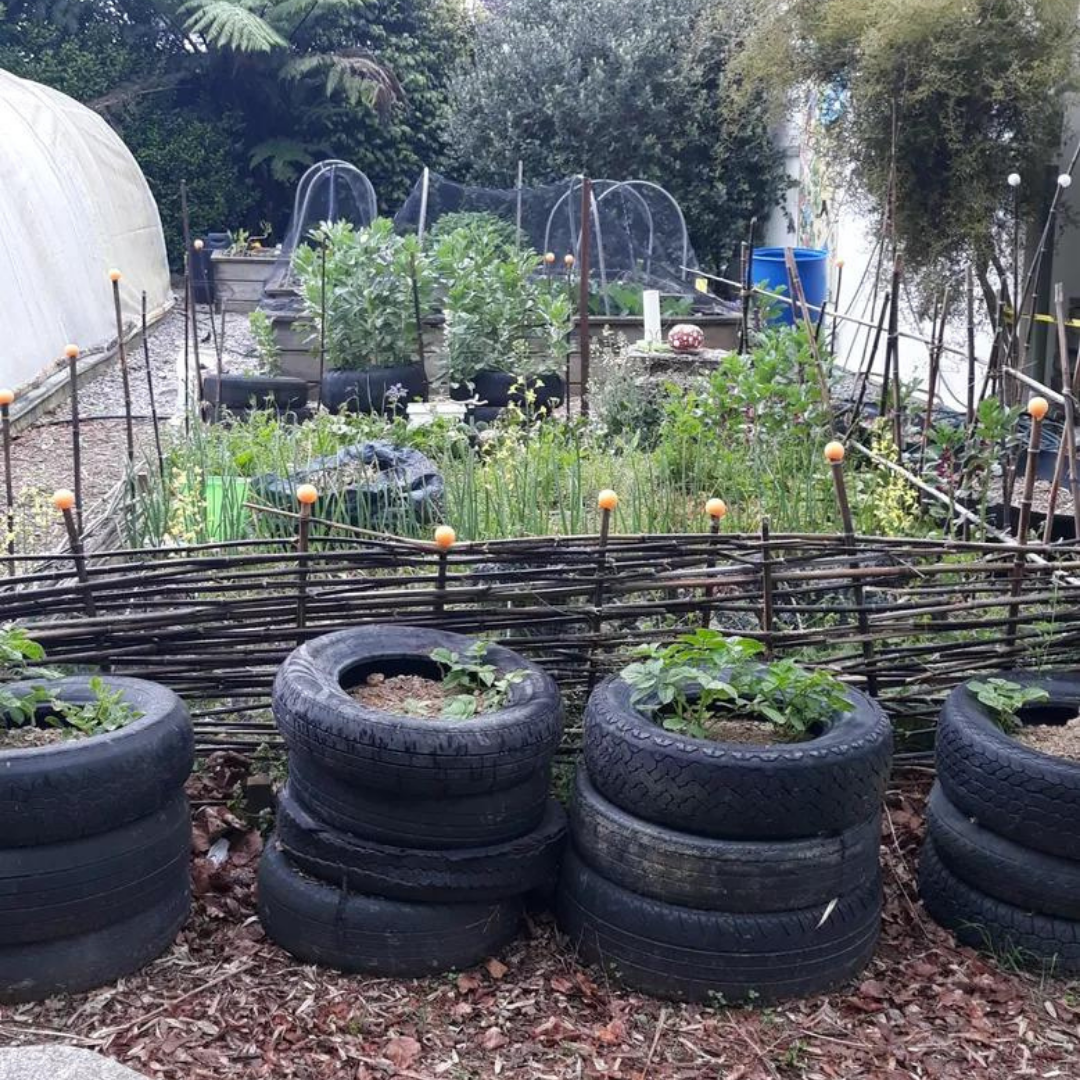
Linkwater School is celebrating winning this year’s Lions Youth Environment Award for the upper South Island and West Coast region. Linkwater School is a small rural Green-Gold Enviroschool in the Marlborough region, so named because it sits between Tōtaranui/Queen Charlotte Sound and Keneperu Sound. Students and teachers at the school are passionate about their environment. Much of their curriculum is based on students’ learning about and taking action for sustainability, supported by their wider community. Linkwater School is also part of the Marlborough District Council's “Kids’ Edible Gardens” programme. Earlier this term Linkwater submitted their Sustainable Outdoor Classroom development to the Lions Youth Award for District 202E (upper South Island and West Coast) supported by the...

Read More
Kids edible gardens benefits

Kids’ Edible Gardens: benefits beyond gardening

We know that being outside connecting to nature in a green space is good for us: we feel refreshed and energised, but relaxed. Is the same true for children when participating in the Kids’ Edible Gardens (KEGs) programme? Absolutely! This is why, in a time when our children’s hauora (wellbeing) and mental health is so important, KEGs is a great resource for schools to have available for their students to participate in. Te Whare Tapa Whā model Te Whare Tapa Whā is a wonderful model that many of you will know of and have perhaps used in your classroom as a way of explaining what hauora means. Each part of a person’s hauora - their emotional, mental,...

Read More
Flying high at Redwoodtown

Redwoodtown School flying high

It was hard to miss the enormous hot air balloon bobbing up and down above Redwoodtown School last month. The school was visited by the Flying High Charitable Trust, which aims to provide opportunities to inspire and guide young people towards a more sustainable future through its education programme and use of an innovative and positive approach. The hot air balloon created a real buzz and gave children a bird's eye view of their school and community, along with a broader perspective on some everyday problems. Students explored how they could use this different perspective to come up with innovative and practical solutions to problems such as our use of non-renewable energy and single-use plastics. What...

Read More