Search

environmental education Tag

Enviroschools Marlborough / Posts tagged "environmental education"
The finished food forest.

Picton School – Growing a Food Forest From the Ground Up

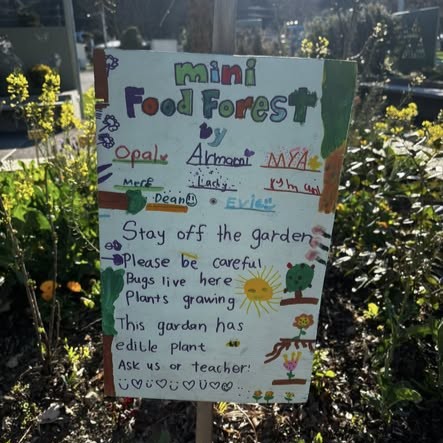
A small group of Picton School tamariki taking part in the Science Alive programme spent Terms 2 and 3 diving deep into food forests and composting.  What they achieved was incredible! The food forest plan Their goal was to set up a hot composting system in their Kids Edible Gardens and transform the ornamental garden near their lunch area into a thriving, productive space full of vegetables and herbs. They began by exploring how food systems work, then headed out to Esson’s Valley to see decomposition happening naturally. In the ngahere they noticed something important, the forest has a structure. Tall trees form the canopy, smaller plants create the understory, and...

Read More
So many strong healthy kūmara tipu

Kūmara – Kai from the Atua Rongomātāne: Planting Day!

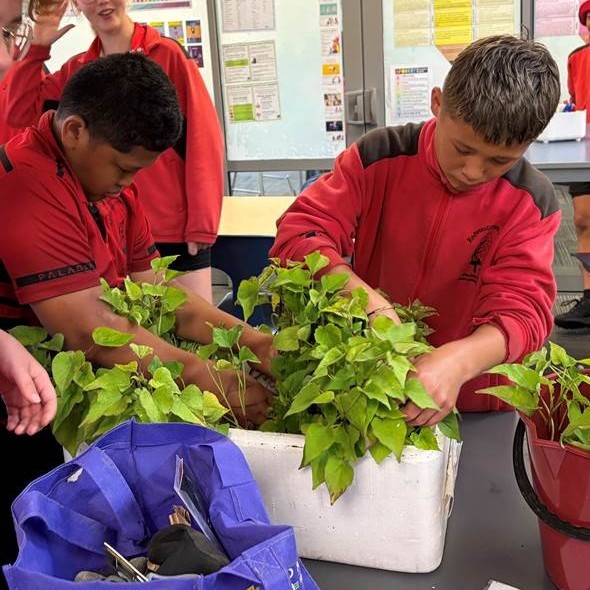
As a follow-up to last term’s kūmara kaupapa, Reuben returned to Redwoodtown School. The seed bed rangitahi had prepared was overflowing with strong, healthy tipu - a sure sign the mātauranga and maramataka-aligned preparation had worked. Rachel Ellis, their KEGs facilitator, had already prepared the garden beds with some of the younger tamariki,  ready for the big planting. Everyone had the chance to carefully pull the tipu from the kūmara, then take them outside to plant. Before any digging began, the class paused to honour tikanga, saying a karakia over the tipu and the garden beds. The tipu were then planted in the traditional J-shape along the top of the mounds and gently watered in. Now it’s...

Read More
Seashore

Waitohi Teachers Dive Into Seashore Learning With Marine Metre Squared

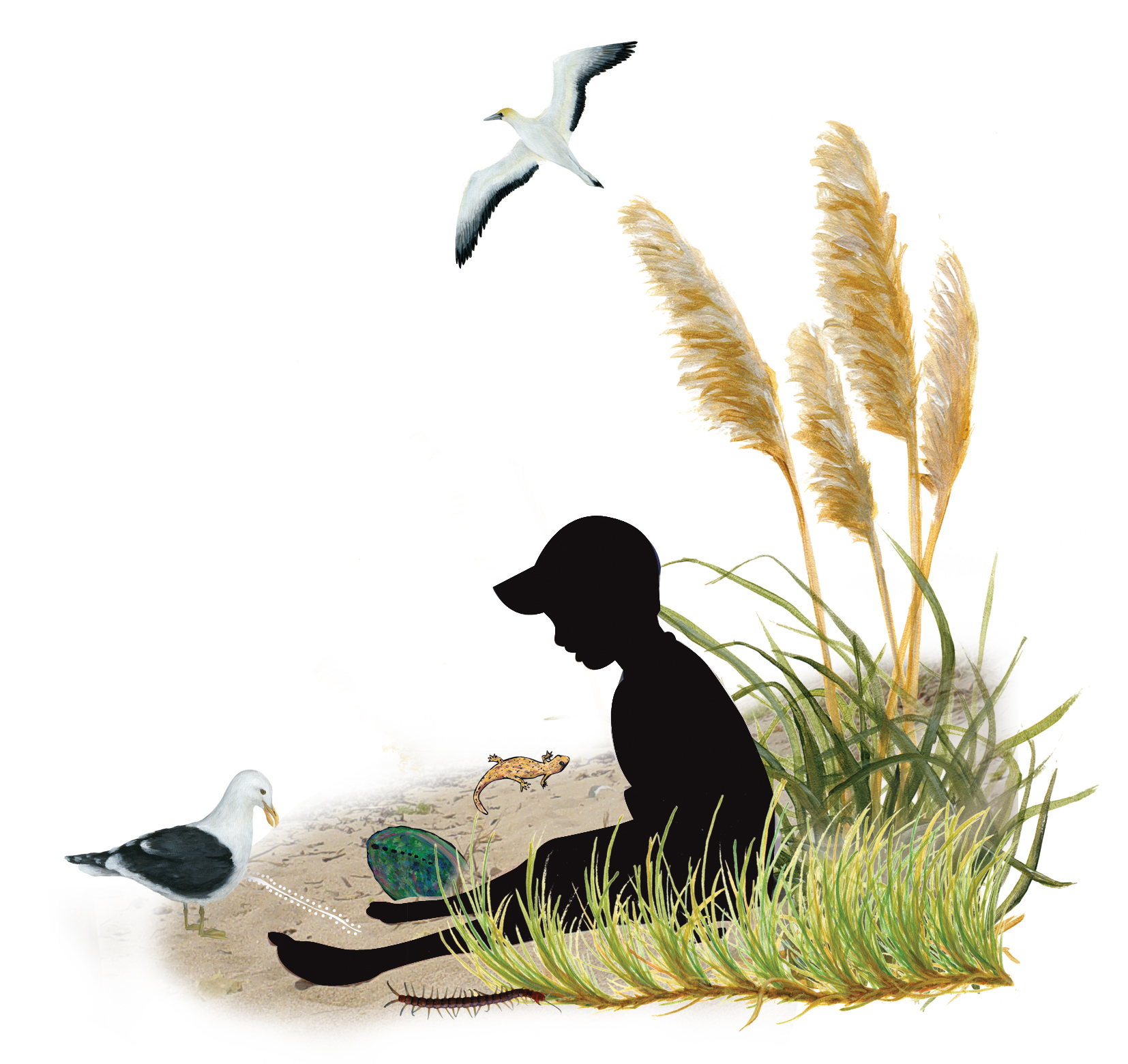
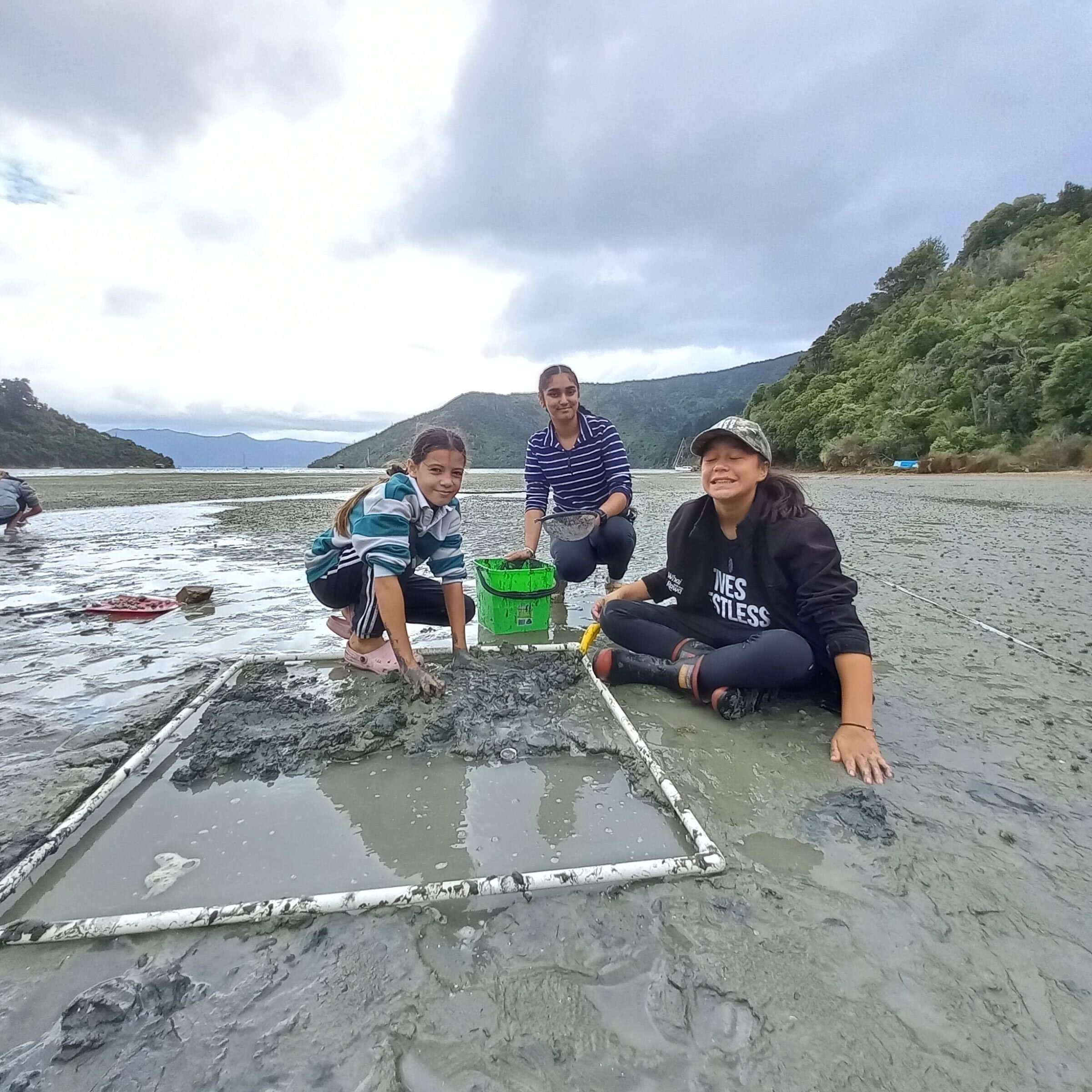
Waitohi Primary and Kindergarten teachers recently gathered for a hands-on workshop exploring how their local seashore and estuary could become a place of learning for their tamariki. Angela and Annie invited Glenis Paul from the NZ Marine Studies Centre to guide the session and introduce the Marine Metre Squared (Mm²) citizen-science programme. A great poster to understand the lifecycle of a shore crab. Mm² fits perfectly within the Nature of Science strand of the curriculum. No matter the shoreline  - muddy, sandy, a river mouth or an estuary - there are endless links to the living, material, and physical world. And because these environments are always changing, there’s always something new...

Read More
Wildflower Seed bombs

Wildflower Seed Bombs for Bee Aware Month

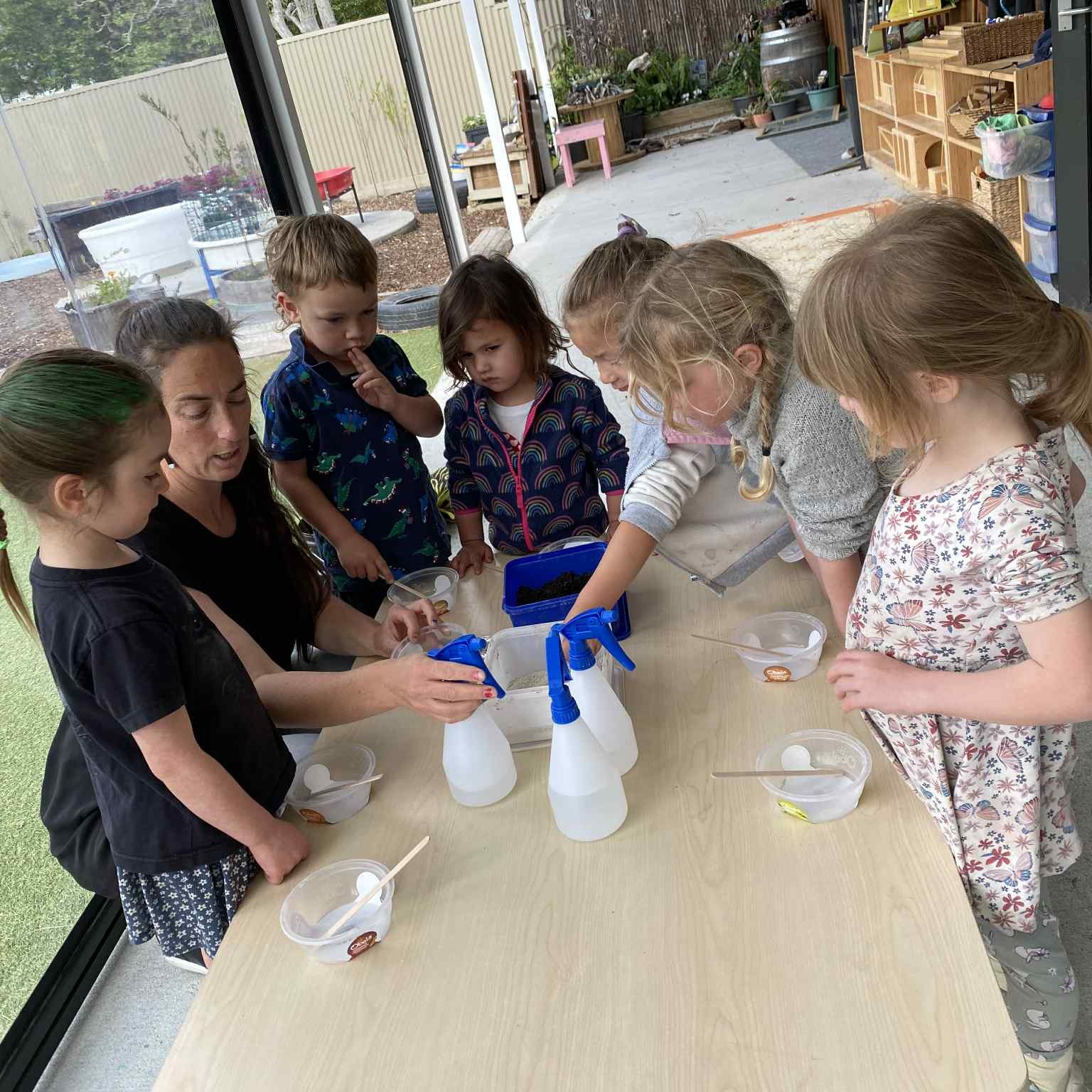
Young tamariki across Marlborough were buzzing as they learnt all about bees and pollination. For the month of September, Ramona visited ECE services to celebrate Bee Aware Month. She took with her a kit of resources that included a bee pollination activity and equipment to make wildflower seed bombs. Ramona talking with the tamariki at Awatere Early Learning Centre   Each session started with a quick discussion about pollen and nectar and some interesting facts; Bees use their antennae to smell. They can detect nectar 2 km away. Worker bees produce about 1/12th of a teaspoon of honey in their lifetime. On one flight from the hive to collect honey, a honey...

Read More
McKendry Park

Discovering Life in the Awa at McKendry Park

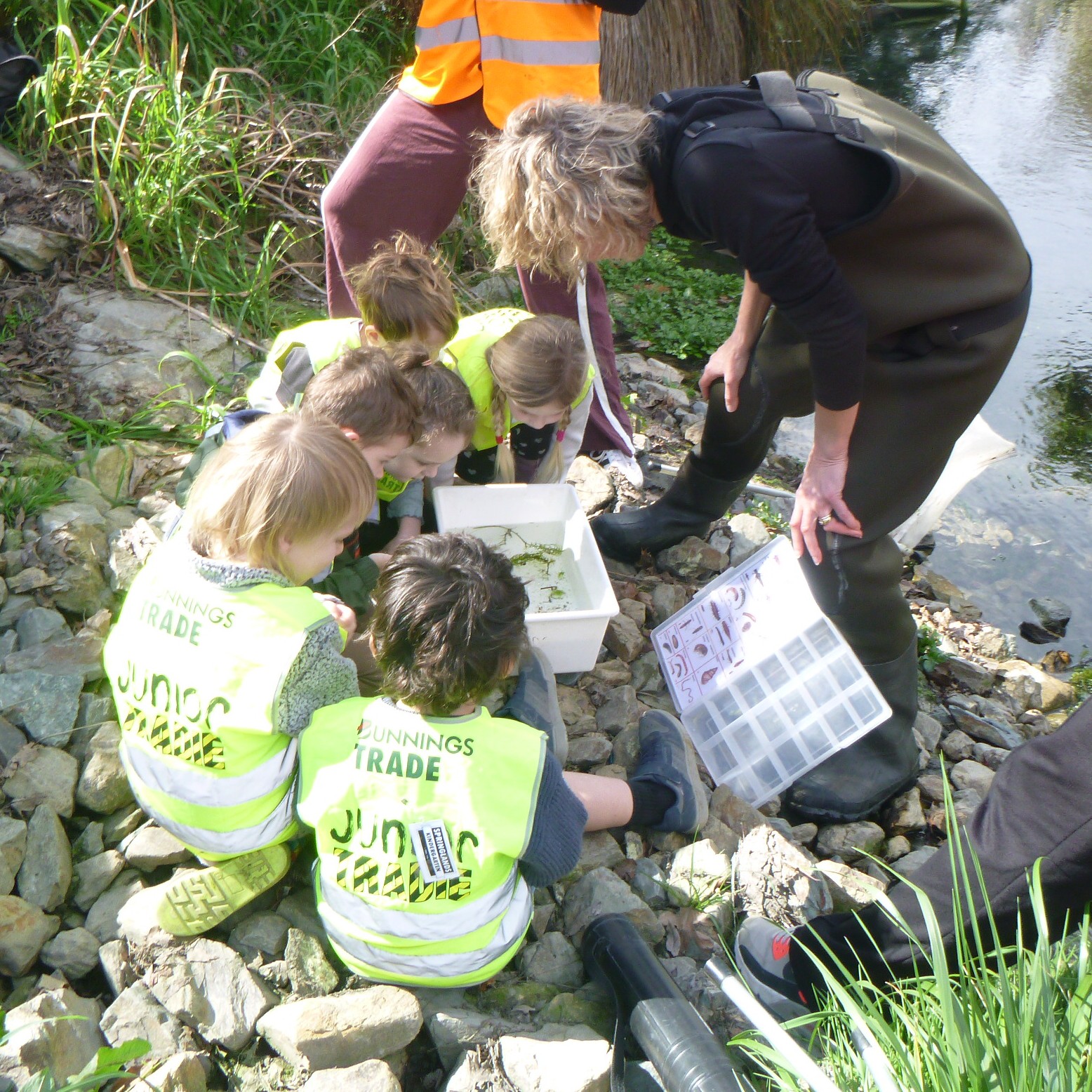
A small group of tamariki at Springlands Kindergarten have been making regular visits to McKendry Park. While there, they made an exciting discovery - tuna (eels) living in the small awa that flows through the park. Watching and feeding the eels quickly became a favourite activity, but it also sparked a question: What else lives in the awa? To find out, the group invited Angela to join one of their visits and share her knowledge about the invertebrates that make the awa their home. Wary of the eels and grateful for her waders to keep warm and dry, Angela demonstrated how to gently catch invertebrates. She showed the tamariki how to lift stones from the...

Read More
Taylor River

Discovering Stream Secrets: Marlborough Children Investigate the Taylor River

Earlier this term, ākonga from four Marlborough schools rolled up their sleeves, and trousers, taking part in a hands-on freshwater education event along the Taylor River. With guidance from Angela, Wendy (Junior Landcare), and volunteers from Forest & Bird, students explored the world of freshwater invertebrates and how these tiny creatures can tell us about stream health. The afternoon began with a visual habitat assessment. Ākonga learned to observe the features of a waterway—such as gravel beds, shaded banks, riffles, pools and runs. They used this information to make an assessment of the health of the awa.  Tamariki then rotated between two hands-on, creative activities: designing and making their own bug bags, and building bathy...

Read More
Zero Waste - nude food

Exploring Nude Food at Witherlea School

This term, Year 5/6 students at Witherlea School embarked on an inquiry into Nude Food, investigating how food is packaged and exploring alternatives to disposable packaging. As they examined plastic wraps, zip-lock bags, and foil, they started to wonder: What actually happens to these materials once they’re thrown away? To dig deeper, Angela joined the students to explore how long everyday items take to break down. They considered a big “what if” question: What if everyone understood how long waste sticks around? Would that change the choices we make?   The first challenge was to create a waste timeline. Students selected everyday items and arranged themselves in a line, predicting which would break down quickly and which...

Read More
Water

Exploring the Health of the Awa: Water is Life

We all interact with water every day—but how often do we stop to consider where it comes from, where it goes, and the life it supports along the way? This was the driving question for the Year 7 and 8 students at Fairhall School as they explored the health of their local awa as part of their inquiry, Water is Life. The first challenge? Choosing a suitable waterway to study. The students quickly discovered that not all rivers flow year-round, and appearances can be deceiving. While Doctor’s Creek at Benmorven Rd and Fairhall River seemed like ideal study sites, they often run dry in summer. Further downstream, Doctor’s Creek resurfaces—but in a degraded state, making it...

Read More
Nature Connection

Nature connection sharing

Nature Connection programmes have been growing in Marlborough, especially in Kindergartens. Recently environmental educator for Marlborough District Council, Ramona Millen and Marlborough Kindergarten Association Senior Teacher, Gwenda Jones shared how this has developed over the last two years and the benefits of Nature Connection for tamariki. Ramona supporting a Nature Connection session The New Zealand Association for Environmental Education (NZAEE) hosted a webinar where Ramona and Gwenda talked about the changes they have seen by supporting teachers and children to regularly spend time in nature in the Marlborough region.    With a few prompts around observing, tamariki have been experiencing many ways to connect with nature. From walks around the block, to local parks...

Read More
Korimako at Onamalutu

Riverlands School at Onamalutu

A large group of tamariki Yrs 1 -3 from Riverlands School headed to Onamalutu Reserve earlier this term as a celebration of their learning around sustainability and the living world. At school they had created bird feeders and houses, planted vegetables and cleaned up rubbish.  The trip was a chance to see the beautiful areas they can create when nurturing the environment with the small actions they took at school. The ngahere at Onamalutu is a remnant of podocarp forest once common in Wairau. It has beautiful mature kahikatea, matai and totara.  The reserve was donated by a local sawmiller in 1901. This has preserved a small part of the natural ngahere that filled...

Read More