Search

learning for sustainability Tag

Enviroschools Marlborough / Posts tagged "learning for sustainability"
So many strong healthy kūmara tipu

Kūmara – Kai from the Atua Rongomātāne: Planting Day!

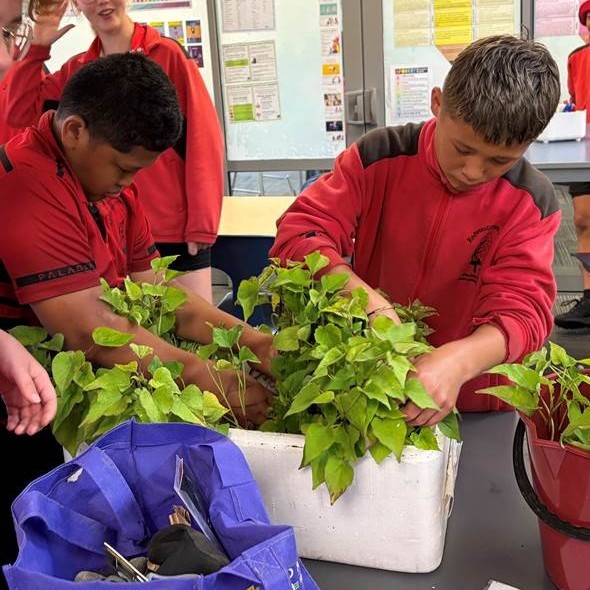
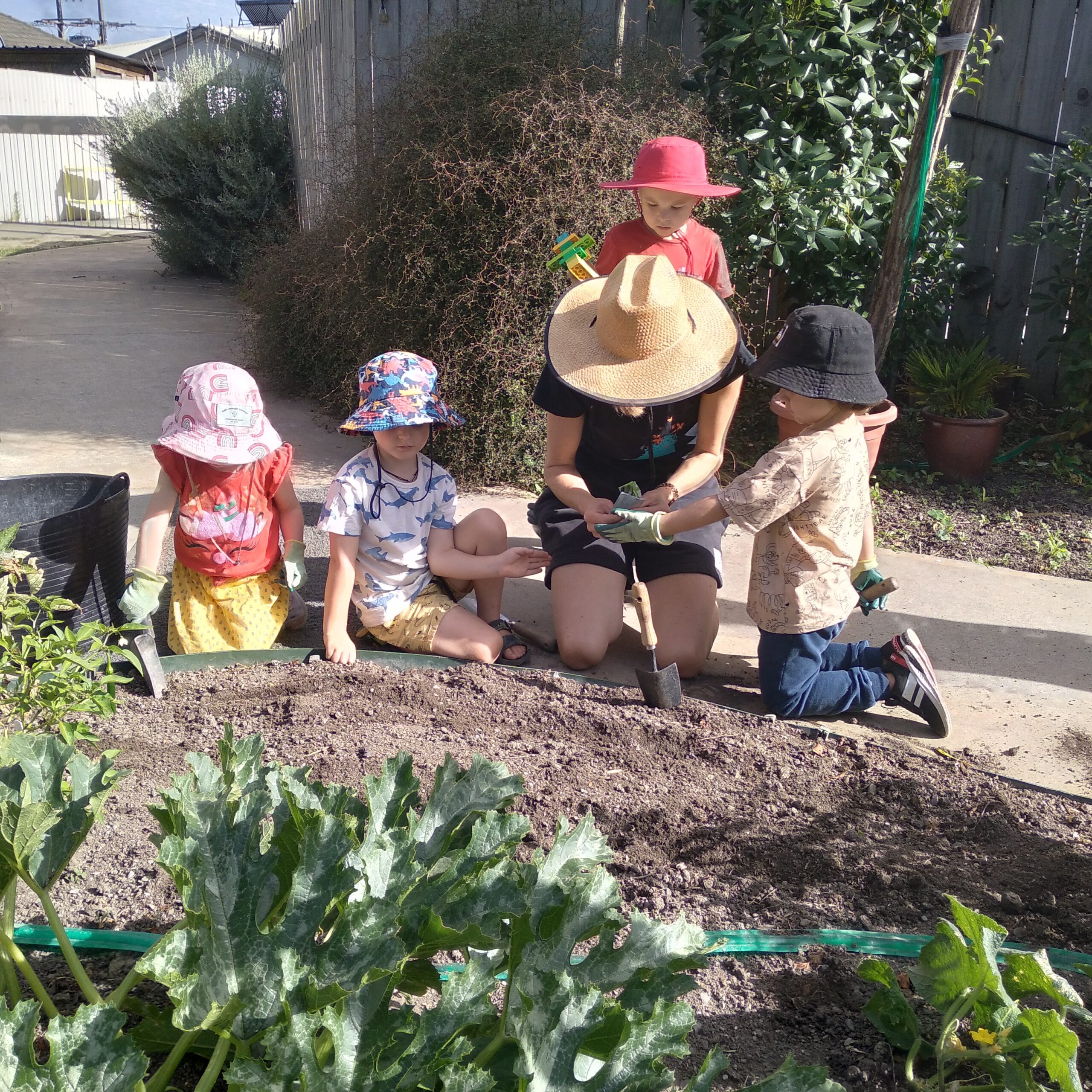
As a follow-up to last term’s kūmara kaupapa, Reuben returned to Redwoodtown School. The seed bed rangitahi had prepared was overflowing with strong, healthy tipu - a sure sign the mātauranga and maramataka-aligned preparation had worked. Rachel Ellis, their KEGs facilitator, had already prepared the garden beds with some of the younger tamariki,  ready for the big planting. Everyone had the chance to carefully pull the tipu from the kūmara, then take them outside to plant. Before any digging began, the class paused to honour tikanga, saying a karakia over the tipu and the garden beds. The tipu were then planted in the traditional J-shape along the top of the mounds and gently watered in. Now it’s...

Read More
Waste audit

From Audit to Action at Redwoodtown

At Redwoodtown School, like many across Marlborough, students and staff are working hard to reduce what ends up in landfill through a school-wide recycling system for paper, plastic and food waste. However recently, the school's Enviroleaders noticed that enthusiasm for proper sorting had started to slip. Rather than let things slide, they set themselves a new goal: to redesign the recycling area and make it easier and more inviting for everyone to use. Before making changes, the students wanted to understand what types of waste were most common and where it was ending up—both inside classrooms and around the school grounds. With the support of the school cleaners, a day was set aside for...

Read More
Zero Waste - nude food

Exploring Nude Food at Witherlea School

This term, Year 5/6 students at Witherlea School embarked on an inquiry into Nude Food, investigating how food is packaged and exploring alternatives to disposable packaging. As they examined plastic wraps, zip-lock bags, and foil, they started to wonder: What actually happens to these materials once they’re thrown away? To dig deeper, Angela joined the students to explore how long everyday items take to break down. They considered a big “what if” question: What if everyone understood how long waste sticks around? Would that change the choices we make?   The first challenge was to create a waste timeline. Students selected everyday items and arranged themselves in a line, predicting which would break down quickly and which...

Read More
Richmond view School

Richmond View School explore the three R’s

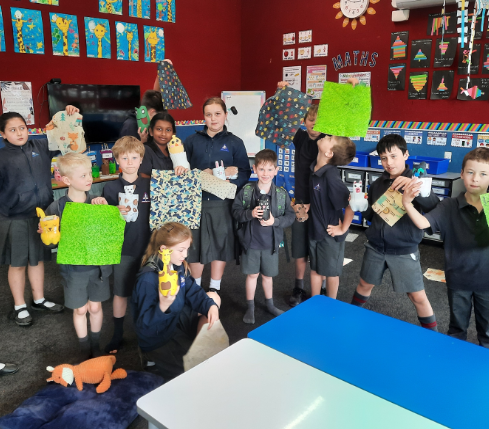
In term three, the Year 0-6 students at Richmond View School dove into exploring the three R's of recycling and how they can help protect our environment. Three groups of students were set up, each focusing on one aspect of recycling using different materials. One group, working alongside their teacher Marion van der Berg, used the Enviroschools Beeswax Wrap Kit to understand how recycling, reusing, and reducing can help our buzzing bee friends.  The wraps also help us protect nature through littering less. Before they began, their Richmond View School community was invited to bring in items that they would normally throw away or recycle. Such as newspapers, plastic bottles, cotton fabric scraps, unused...

Read More
Beeswax wraps

Montessori Keep New Zealand Beautiful

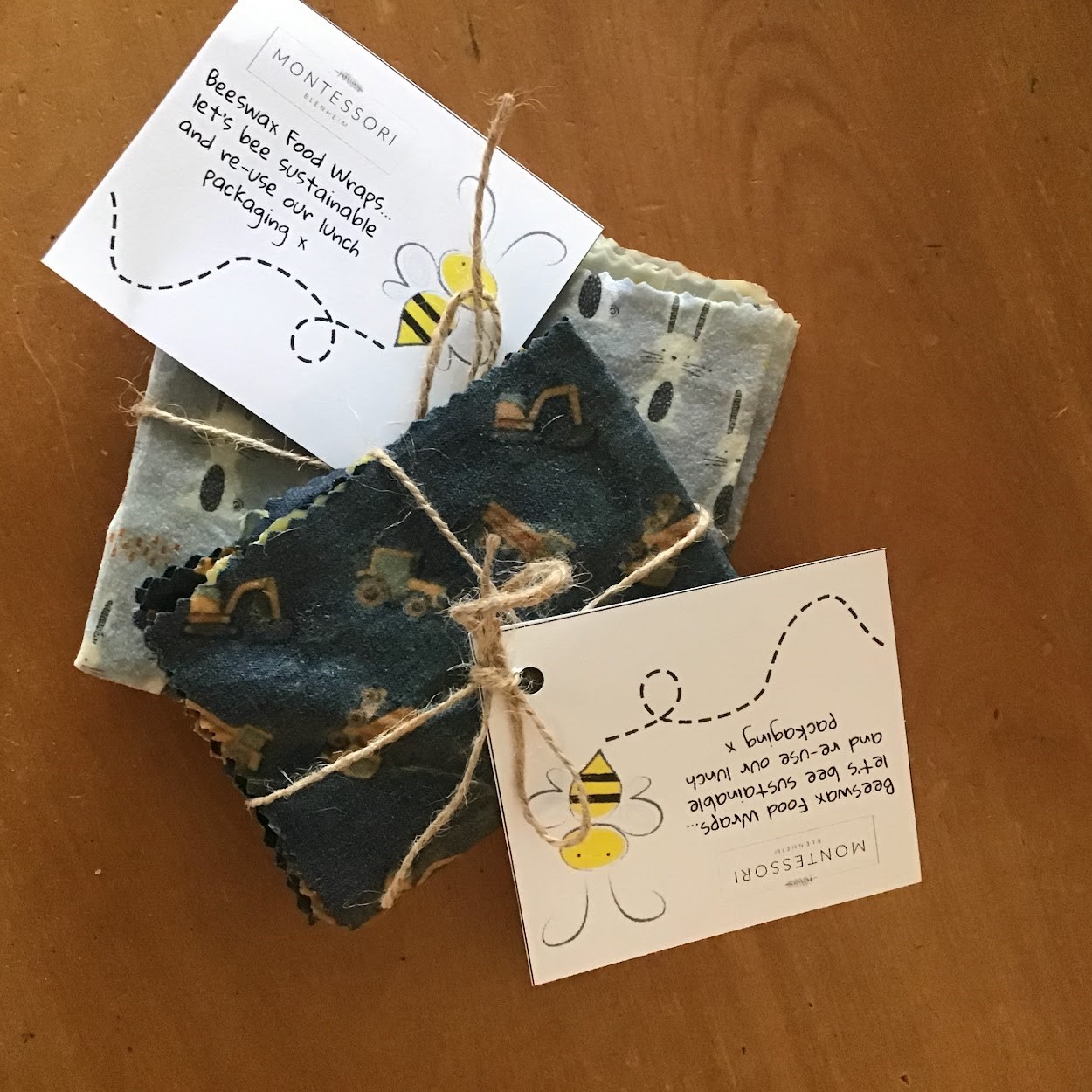
Keep New Zealand Beautiful is a nationwide not-for-profit organisation that encourages communities to engage in activities promoting environmental stewardship. It focuses on reducing waste, recycling, planting trees, and beautifying local areas. The initiative helps foster a sense of pride in New Zealand’s natural environment and encourages everyone, especially young tamariki, to participate in actions that create a more sustainable future. Through hands-on projects, children can learn the importance of environmental care, laying the foundation for them to become kaitiaki (guardians) of the land. During Keep New Zealand Beautiful Clean Up week, the tamariki at Montessori explored ways to care for Papatūānuku by making their very own beeswax wraps. The tamariki were fascinated as the...

Read More
Te Kura

Te Kura at Pollard Park

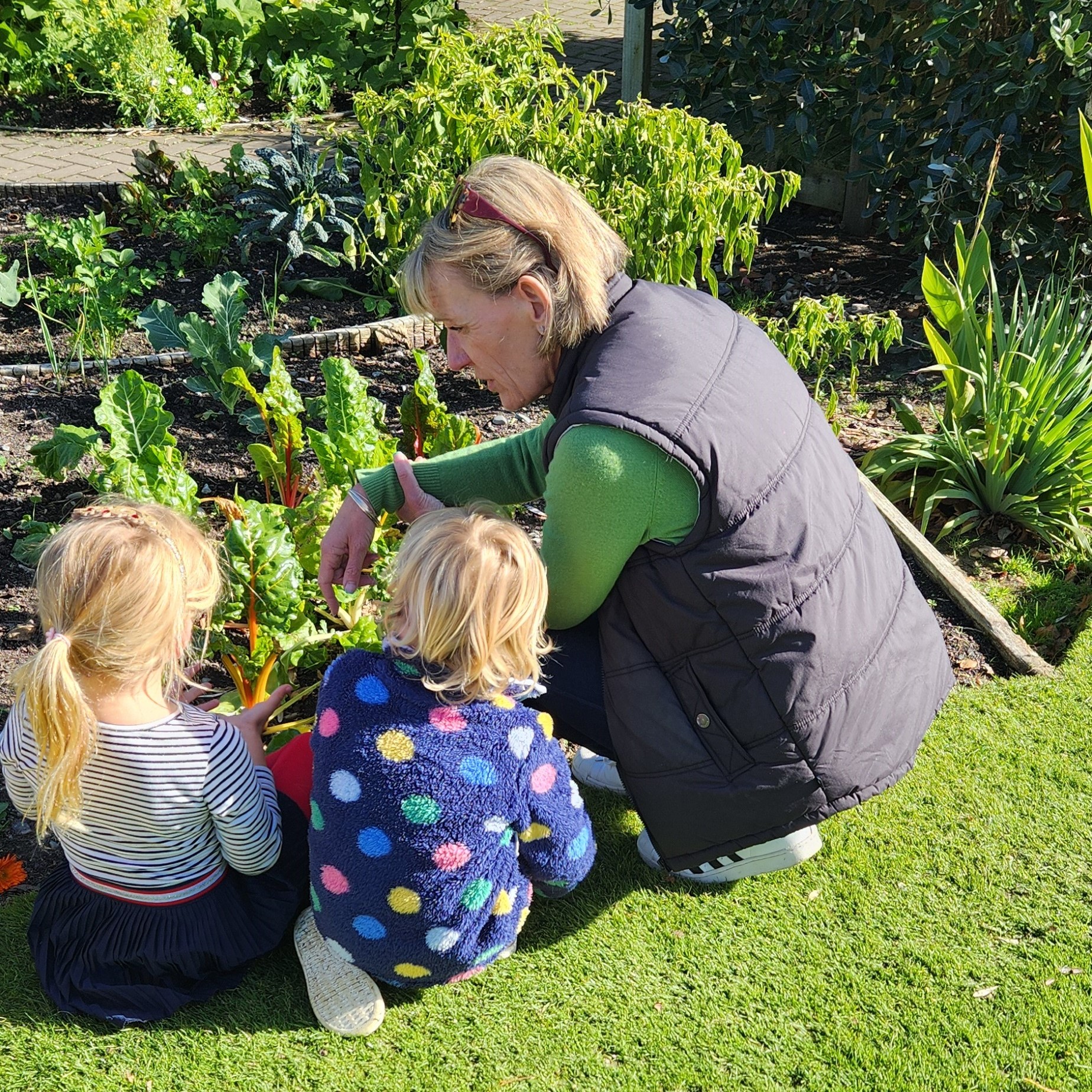
Angela hosted a small group of enthusiastic Te Kura students in the Backyard Garden at Pollard Park at the beginning of the term. Thankfully Tamanuiterā had melted the frost and warmed the garden making it the ideal place to observe the changes in season and  investigate the types of vegetables that enjoy the cooler temperatures of autumn and winter.  They found spinach, broad beans, parsley, spring onions, kale, cauliflower, silver beet and beetroot, taste testing some of the leaves as they went.  They discovered that the tender young leaves of the broad beans can be eaten, these taste very similar to broccoli.  To their delight they also discovered eating enough of the leaves turns...

Read More
Planting

Mayfield Kindergarten’s Mara Kai

Tānemahuta, Rongomatāne and Tangaroa greet you at the entrance to Mayfield Kindergarten. These Pou represent the Kindergarten’s connection to their environment. The characteristics of these Atua underpin the learning priorities for the tamariki that attend. Kaiako and tamariki tiaki (care for) these atua and their wide spread environment, made up of the native gardens, mara kai, a rocky awa and open spaces.   Mara kai has been the focus over the last 6 months for kaiako, tamariki and Joy, their gardener. Joy spends 3 hours a week at Mayfield Kindergarten. During this time she empowers the tamariki to be hands on and involved in the garden. Together they sow seeds, plant seedlings, pull out weeds,...

Read More
Linkwater School's sustainable outdoor classroom

Linkwater School wins regional Lions award

Linkwater School is celebrating winning this year’s Lions Youth Environment Award for the upper South Island and West Coast region. Linkwater School is a small rural Green-Gold Enviroschool in the Marlborough region, so named because it sits between Tōtaranui/Queen Charlotte Sound and Keneperu Sound. Students and teachers at the school are passionate about their environment. Much of their curriculum is based on students’ learning about and taking action for sustainability, supported by their wider community. Linkwater School is also part of the Marlborough District Council's “Kids’ Edible Gardens” programme. Earlier this term Linkwater submitted their Sustainable Outdoor Classroom development to the Lions Youth Award for District 202E (upper South Island and West Coast) supported by the...

Read More

‘Save the fantail’ project

Grovetown School’s Waihi class has embarked on a special project this year to save the fantails in their school forest. Identify The project came about as part of an inquiry: ‘How is our place unique?’. The class began by exploring and learning about the native, endemic and introduced animals and plants in their school. During this exploration, some of the children found empty fantail nests which prompted thinking about why the nests might be empty. Some of the students’ ideas were:  “rats have eaten them" - "it is too cold for the eggs and chicks so birds don't lay eggs in winter" - "the fantails think it’s too dangerous because of the rats and possibly stoats so they won't...

Read More
Kids edible gardens benefits

Kids’ Edible Gardens: benefits beyond gardening

We know that being outside connecting to nature in a green space is good for us: we feel refreshed and energised, but relaxed. Is the same true for children when participating in the Kids’ Edible Gardens (KEGs) programme? Absolutely! This is why, in a time when our children’s hauora (wellbeing) and mental health is so important, KEGs is a great resource for schools to have available for their students to participate in. Te Whare Tapa Whā model Te Whare Tapa Whā is a wonderful model that many of you will know of and have perhaps used in your classroom as a way of explaining what hauora means. Each part of a person’s hauora - their emotional, mental,...

Read More