Search

Enviroschools stories

Enviroschools Marlborough / Enviroschools stories (Page 2)
Wild Waikawa

Celebrating Conservation Week at Wild Waikawa

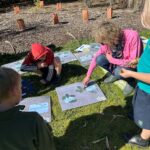
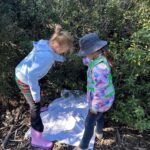
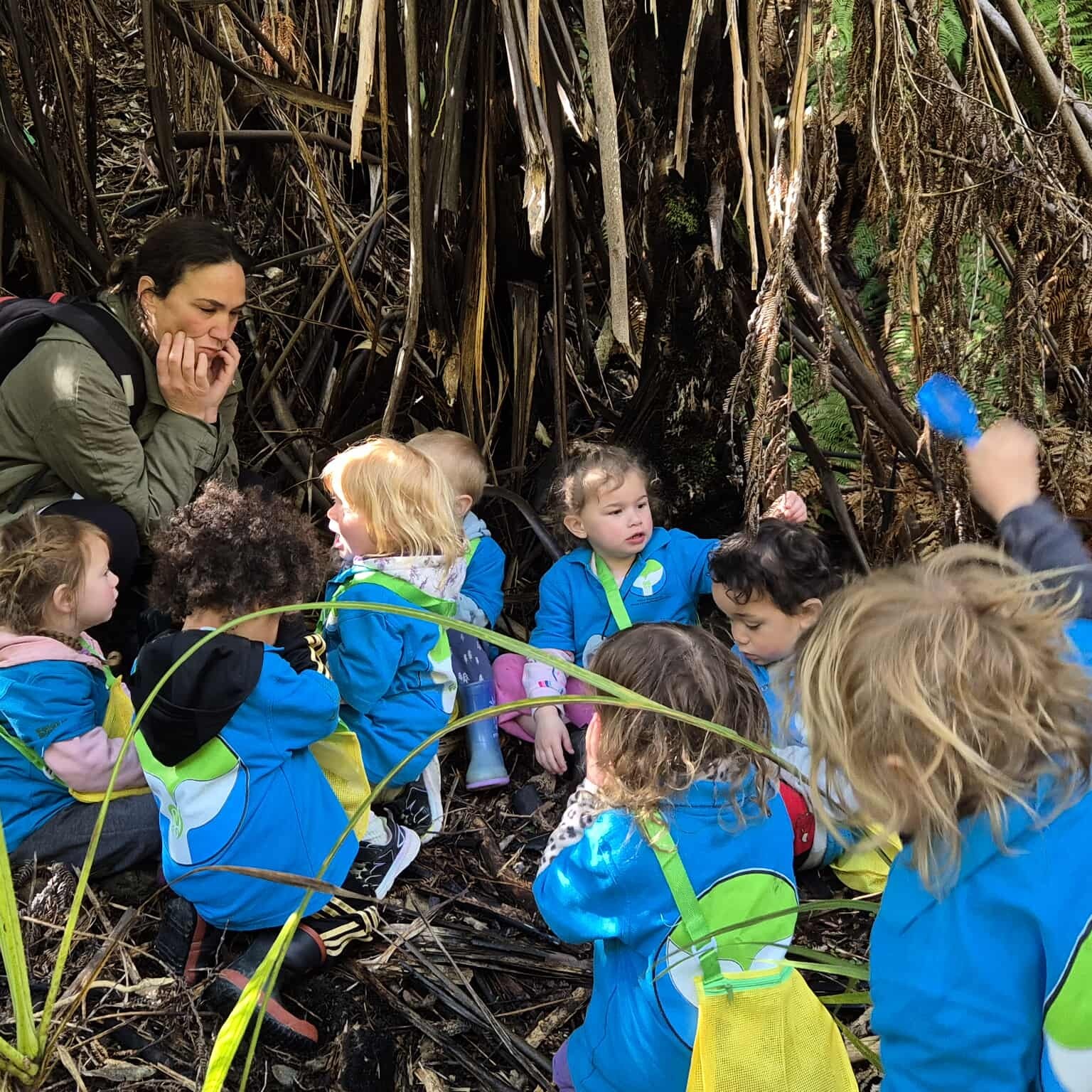
As part of Conservation Week Aotearoa, a group tamariki from Waitohi Kindergarten went on a beautiful bush adventure into the heart of Wild Waikawa — and what an incredible journey it was! Wild Waikawa stands at the base of Mt Piripiri and stretches up the face of the maunga, the mountain sacred to mana whenua. Waitohi Kindergarten have a special relationship with the place, visiting there with tamariki several times a term. Here they connect with nature, explore and discover. These experiences don't sit in isolation either, they are brought back to kindergarten and extended upon.   On this visit their little explorers delighted in spotting Black Witches Butter fungi, lying back to gaze up...

Read More
Nature exploration space

A New Nature Exploration Space

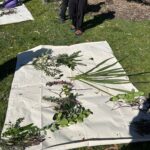
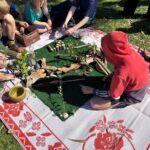
Last year we saw a strong focus on Nature Connection spread across schools and ECE’s in Marlborough. The growing knowledge of how important time in nature is and the relationship that we have with it meant that many were prioritising establishing their own programmes to get out there more regularly.    In recognition of this and to celebrate 20 years of Enviroschools in Marlborough, our Environmental Education team explored some options to give back to the community. The result being a Nature Exploration Space.   After identifying a location and having an initial meeting it was time to come up with ideas of how it could look. Who better to ask than the tamariki themselves. With a...

Read More
colourful roots

Colourful Roots at Mayfield School

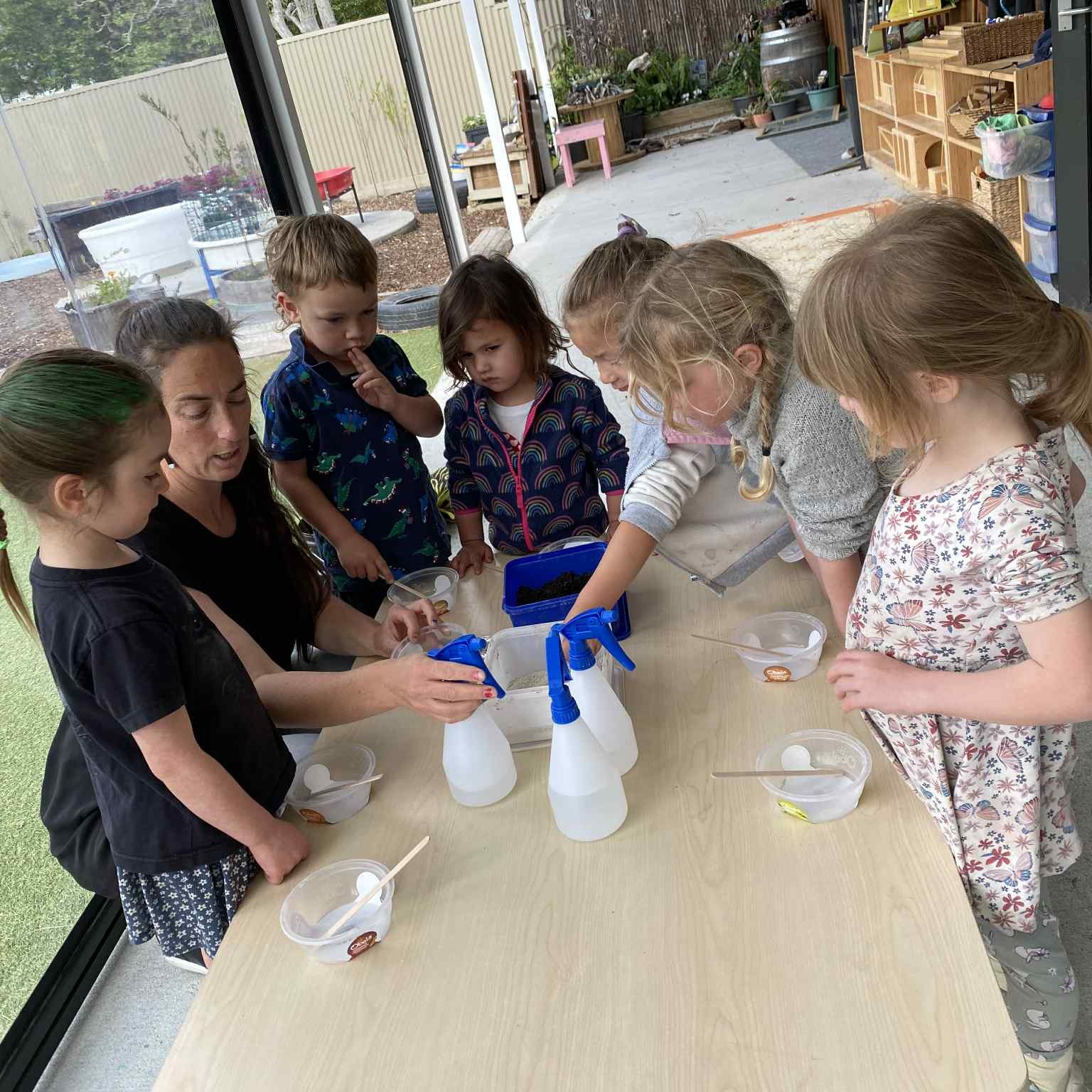
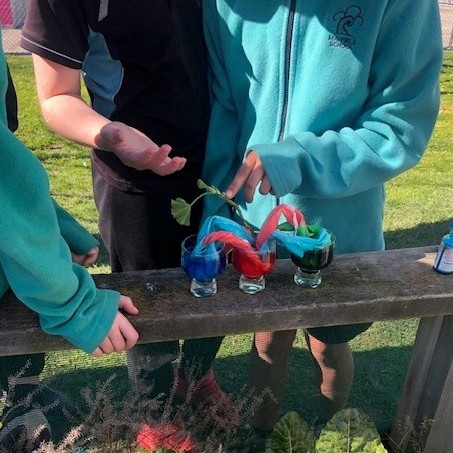
Frosty cold mornings aren’t that conducive to growing vegetables, so at this time of year our Kids Edible Gardens slow down, rest, and prepare for spring. The upside is that students get the chance to look a little closer at how plants grow. At Mayfield School, that meant exploring how roots take up nutrients from the soil. Mayfield students learning how plant roots absorb nutrients from the soil Our new facilitator, Helen, led a clever hands-on experiment using coloured water and paper towels. The coloured water represented the three major nutrients that plants need: Nitrogen – helps with strong leaf growth Phosphorus – accelerates root development Potassium – encourages flowers...

Read More
Solar oven

Solar Ovens and Renewable Energy at St Mary’s School

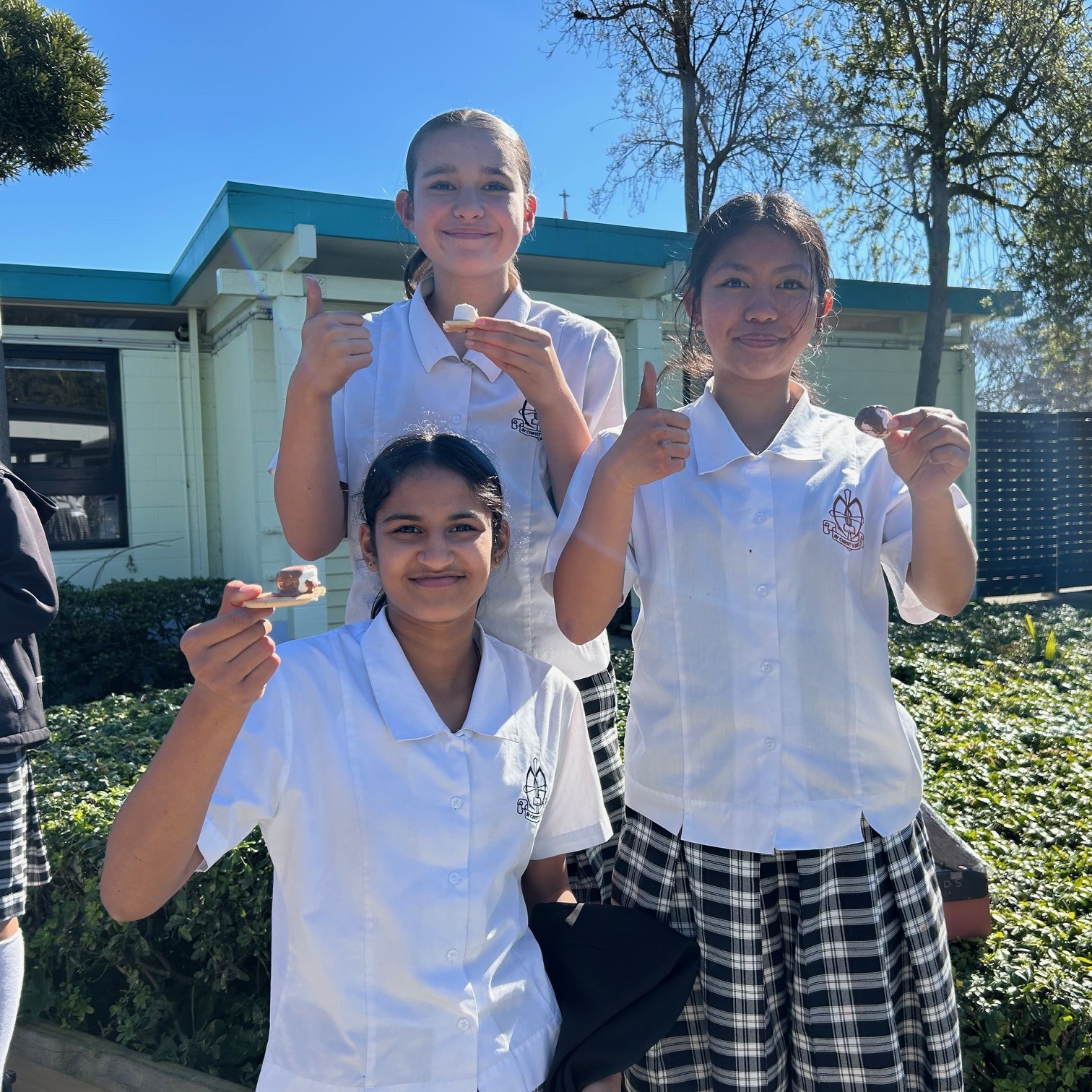
What does melting chocolate over marshmallows and biscuits have to do with renewable energy? At St Mary’s School, the answer is: everything! The Year 7 and 8 class recently built solar ovens out of shoeboxes, using tinfoil and plastic wrap to harness the power of the sun. Their ovens demonstrated how the sun’s energy can be used for everyday needs like cooking, while reducing the use of fossil fuels that contribute to climate change. Tamariki learned that renewable energy isn’t just a big idea for power stations, it can be simple, creative, and fun. Their tasty experiment was part of the class’s climate change learning programme, where they’ve been exploring ways renewable energy can help...

Read More
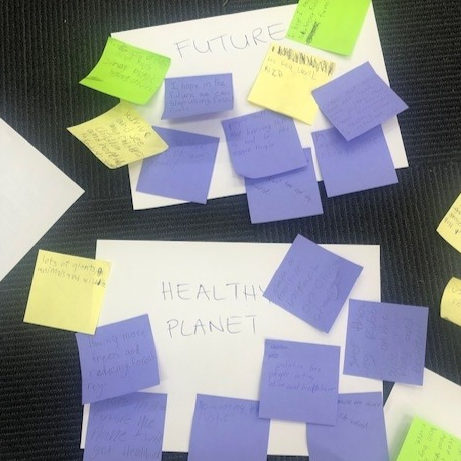
Healthy Planet

Rapaura’s Gifford Room – Turning Climate Learning into Climate Action

The Year 7 and 8 ākonga in Gifford Room at Rapaura School were among the first to take part in the Climate Change Learning Programme Angela has been facilitating in Term 2 and 3. They recently welcomed her back for the final step, bringing together everything they had learned to create an action that will share their climate knowledge with others, raise awareness of climate change and kaitiakitanga and make a positive difference at school. Actions to take now and into the future During the programme, they had explored the value of different perspectives, showing manaakitanga for other people’s views, and working together with nature to find solutions. They also recognised that...

Read More
tepapa kumara at NMIT enjoying the warmth of their propagation house

Kūmara – Kai from the Atua Rongomātāne

Kūmara is a treasure gifted to us by Rongomātene, atua of cultivated crops as well as peace and manaakitanga. It sustained the first Polynesian explorers when they arrived in Aotearoa. They adapted their growing methods to a cooler climate, carefully storing kūmara through winter and planting again in spring. This season, rangitahi from Redwoodtown and Rapaura Schools were given the opportunity to make tepapa kūmara (seed beds).  They’ve joined a growing group of rangatahi who are connecting to the whenua raising kūmara tipu and growing kai. Making sure the kūmara are planted the right way at Redwoodtown School. The idea came from Reuben Molnar, who visited as part of the Climate Change...

Read More
Enviroschools Riverlands

Riverlands School – Rediscovering Te Taiao in Their Own Backyard

Riverlands School have reignited their Envirogroup.  A small group of keen Enviroleaders have been rediscovering their school environment through small nature connection activities.  Small changes in the environment are hard to notice when you are playing in the same space every day. Some familiar and special places are taken for granted. That’s where nature connection activities come in - helping tamariki pause, observe, and notice what is happening… and sometimes more importantly, what’s not happening. The Enviroleaders have been busy; becoming plant detectives, identifying native plants and learning their names. Also exploring where they might find atua in the playground, investigating the different habitats that exist within their school grounds and going on insect hunts...

Read More
Adaptation Game - Redwoodtown School 2

Adaptation in Action – Learning Through Play

One of the modules in the new Climate Change Learning Programme focuses on Adaptation — the ways in which humans and nature adjust to changes in the environment. To introduce the concept of adaptation, we started by looking at examples from nature. Students were surprised to learn that giraffes didn’t always have long necks! Over many generations, they adapted so they could reach leaves higher in the trees. Even more fascinating — some trees have adapted too, sending out chemical signals to warn other trees when giraffes are nearby munching their leaves. We then linked the concept to climate change by discussing rising sea levels, one of the key impacts of climate change we face...

Read More
Nature Walk Seymour

Nature Walk

When we think about Nature Connection most of us would instantly think of being in the bush somewhere. But in term 4 last year Seymour Kindergarten tamariki discovered that a walk around the block can tie in all the Pathways to Nature Connection.   What are the Pathways to Nature Connection?   A deepened nature connection experience is achieved through the 5 pathways - sense, emotion, meaning, beauty and compassion.   Hill rolling at Lansdowne Park     Seymour Kindergarten tamariki have been exploring these by using their senses - smelling the flowers and touching the lambs ears.   Experiencing the enjoyment (Emotions) of rolling down a grassy mound in Horton Park or the excitement of watching a bumble bee...

Read More
Introduction student event

Student participation event

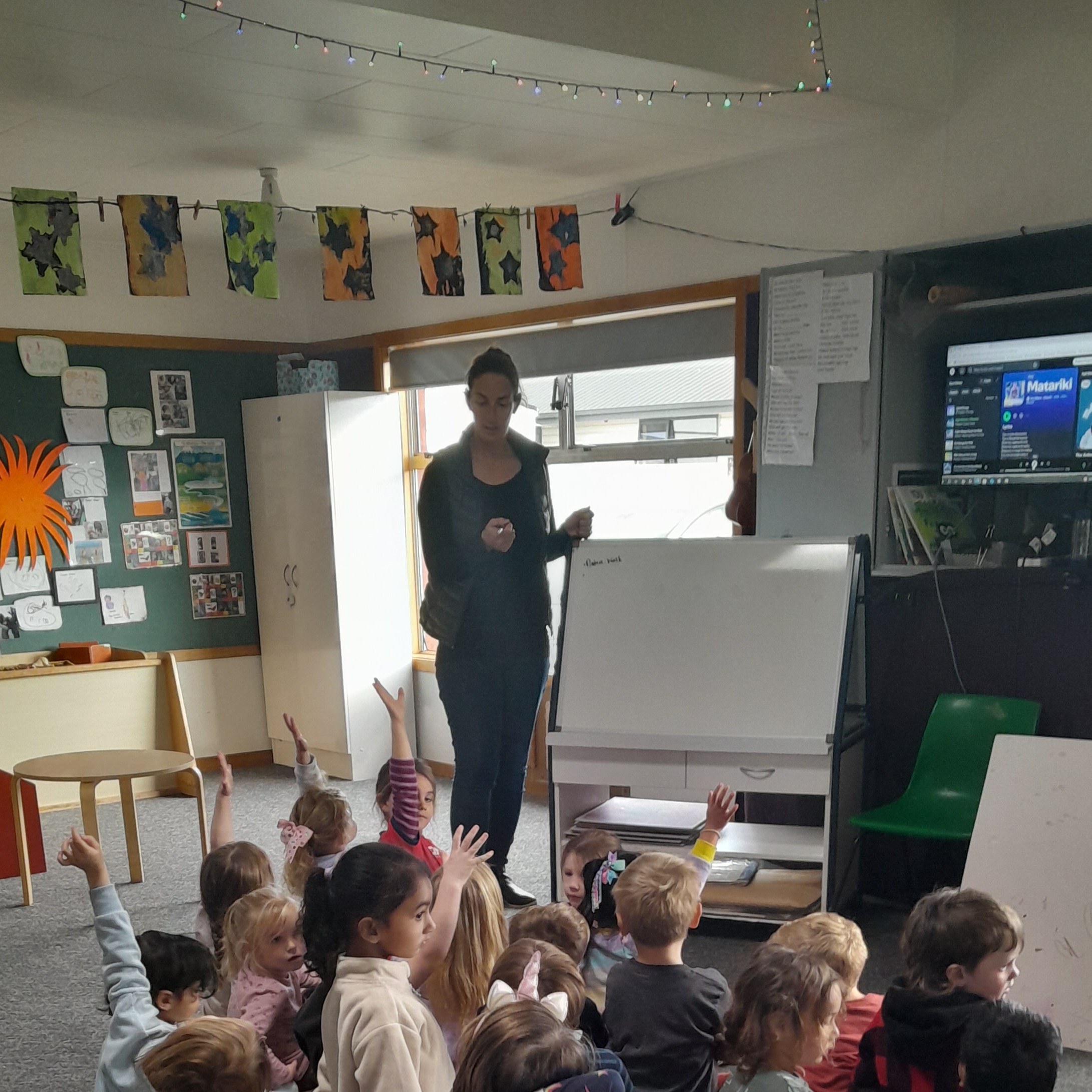
This year our Environmental Education team have taken a focus on the Enviroschools key area of People and Participation. As part of this focus they held a student participation afternoon. They held the event earlier this term with over 60 students from Marlborough schools taking part. It was aimed at primary school student Envirogroup leaders. With World Environment Day coming up, activities were developed and then set up to get students thinking about what activities they could do in their schools to highlight World Environment Day as well as have a bit of fun doing them.

The activities consisted of making seed bombs, recycled t-shirt bags, a recycling relay and a water race....

Read More