Waitaria Bay School – Everyday Kaitiakitanga & Solar Learning in the Sounds
Waitaria Bay School welcomed Angela and Sarah in Term 3 for a full day of sharing, exploring, and celebrating the incredible environmental mahi they carry out as part of everyday school life. The visit offered a rare glimpse into the depth of their ongoing projects. Including the independence of their tamariki as active kaitiaki of their remote Marlborough Sounds environment.
Every term, the students from Waitaria Bay School travel to Manaroa Head to complete Litter Intelligence monitoring, contributing valuable data to the nationwide Sustainable Coastlines database. Their commitment to this long‑term citizen science project shows a strong understanding of how local action supports national environmental knowledge.
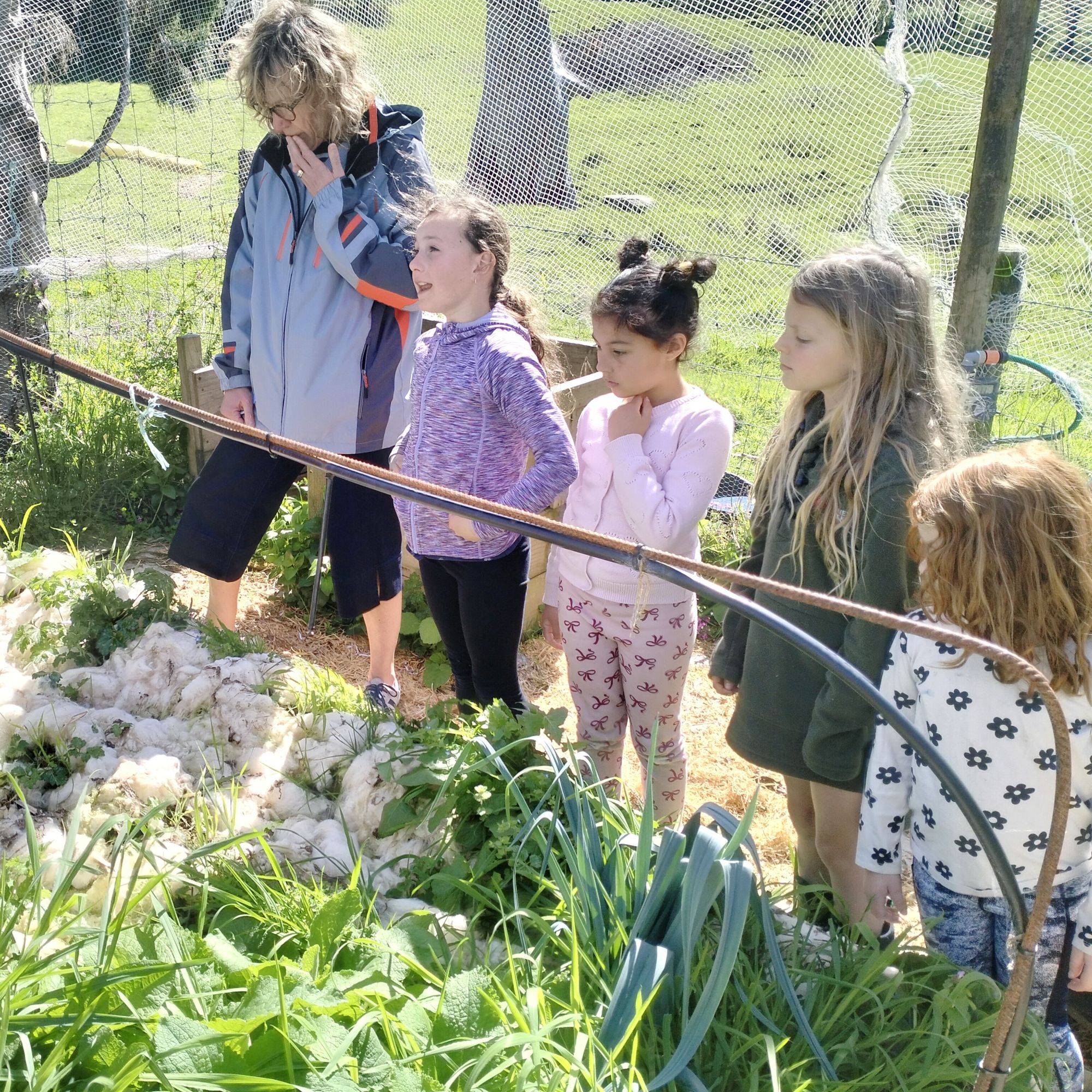
Back at school, the tamariki proudly showed us their thriving wētā colony living in the mailbox. They shared their well‑established bush trapline. This is checked most days by highly capable students. Lastly the shared their plans to upgrade the much‑loved Kererū Kitchen. Their school garden is also flourishing — growing kai for the school and plants to sell to the community — alongside a healthy worm farm that keeps nutrients cycling.
One of the most impressive innovations was their paper brick recycling system. Students tear waste paper into small pieces, use a drill to mix it into a chunky pulp, then press out the water to form solid bricks. These are dried and sold as fire fuel. Turning waste into a useful community resource. Their knowledge, confidence, and independence in running this system were outstanding.
-
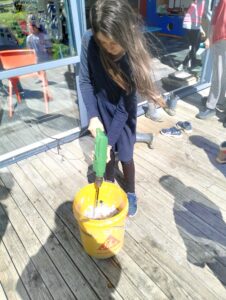
- Mixing a paper brick
-
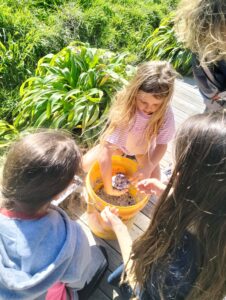
- Pressing the water out of the paper bricks
Solar power
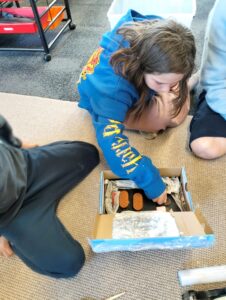
Making solar ovens with Angela to cook s’mores
Waitaria Bay School is also preparing for the installation of new solar panels. So while we were there Angela led a hands‑on session making DIY solar ovens. In the afternoon sun, the tamariki cooked delicious s’mores, learning how solar energy can be harnessed in simple, practical ways.
Kūmara
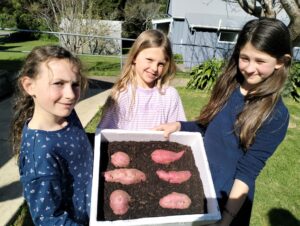
Kūmara tāpapa
Meanwhile, Sarah worked with the students to create a kūmara tāpapa (seed bed). Followed by the gifting of a comprehensive kūmara growing resource written by Ruben Molnar. This resource supports local schools to successfully grow kūmara and deepen their connection to te taiao through traditional kai practices.
The day ended with a shared sense of excitement as the students considered where to focus their environmental energies next — a decision made easier by the strong foundation of kaitiakitanga already woven into their daily routines.
Waitaria Bay School is a shining example of rural ingenuity, environmental responsibility, and tamariki-led action.
-
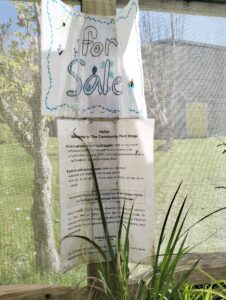
- Waitaria Bay School sell plants to their community
-
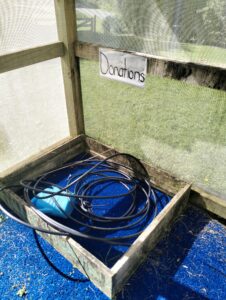
- You have to make use of what you have when you live so far away
-
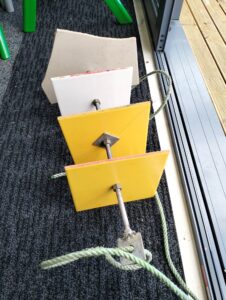
- A parent made marine plates for the akonga to hang off the wharf and study one day