MGC at Grovetown Lagoon
Discovering the Living Systems of Grovetown Lagoon
Year 10 ākonga from the Mountains to Sea course at Marlborough Girls’ College spent the day exploring the amazing ecosystems of Grovetown Lagoon – a place they’d already been learning about in class.
Split into three groups, each team started with a different adventure rotating around each activity.
Group one joined local birder Phil Bradfield on a walk around the lagoon, learning to identify the many manu that make this wetland home and discovering how species like whitebait form an important part of the food chain.
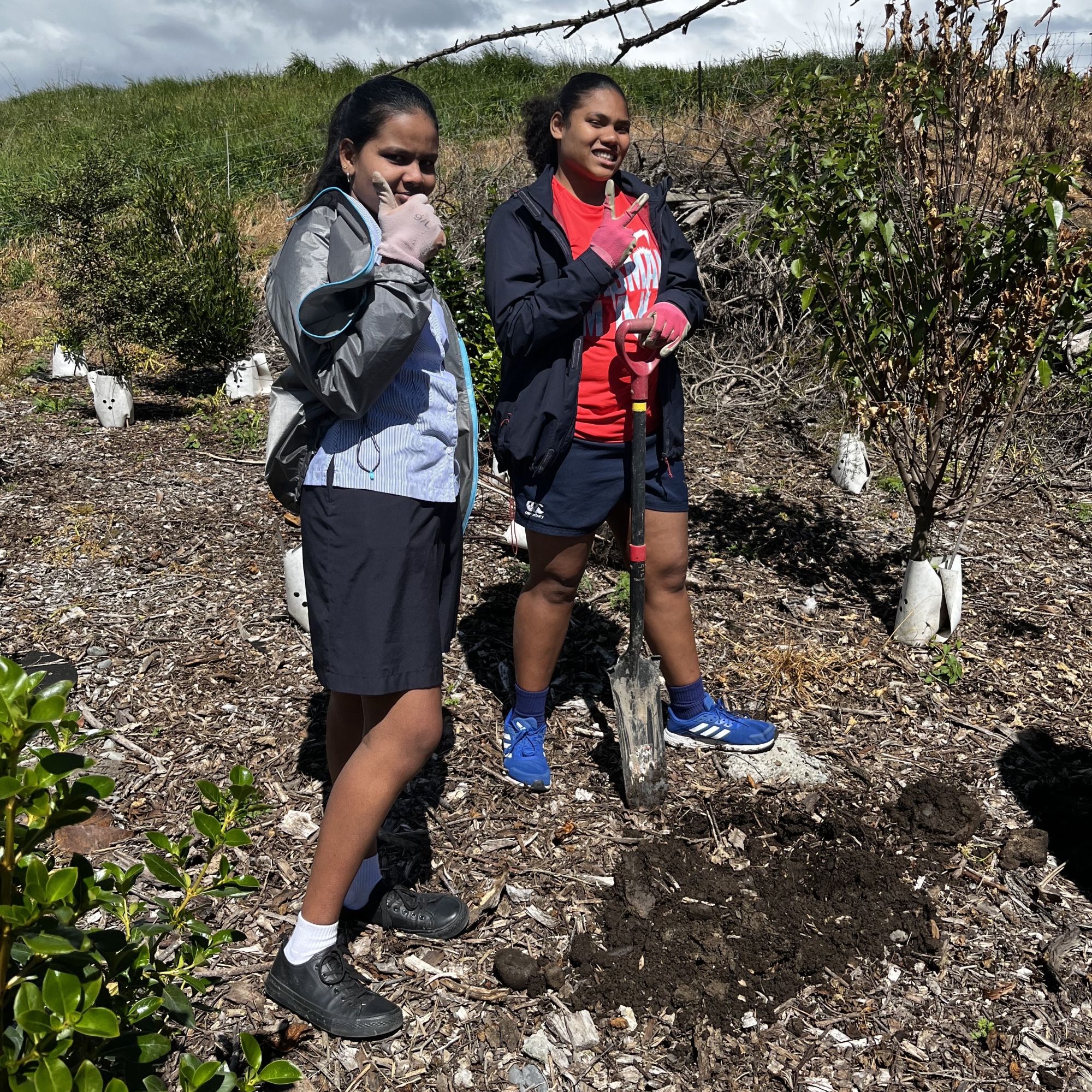
Group two rolled up their sleeves with Justine Johnson, helping to release young native trees from the weeds around them. Their mahi will give the trees space to grow strong and continue restoring the lagoon’s native vegetation.
Group three headed for the water with Angela, donning waders to get wet and muddy while investigating freshwater invertebrates and understanding their role as indicator species of water health.
The visit brought learning to life, helping students see how everything in an ecosystem is connected, from plants and insects to birds and people. It was a perfect way to link classroom learning with real hands-on environmental action.
Helping with the restoration of our fragile wetland environments
Outdoor Education Meets Kaitiakitanga at Grovetown Lagoon
Year 12 ākonga from Marlborough Girls’ College’s Outdoor Education course spent an afternoon exploring the beautiful Grovetown Lagoon, one of Marlborough’s key community-led restoration projects.
While their course often takes them tramping or sea kayaking, this visit offered something a little different and a chance to connect the concepts of manaakitanga and kaitiakitanga with the natural environments they love to explore.
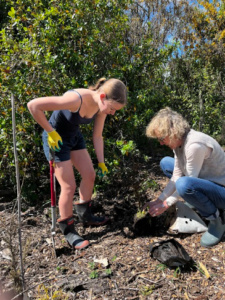
After a walk through the wetlands and planting with Wetlands Warrior volunteer Tim, Angela talked to the group about how pest control plays a vital role in restoring native ecosystems. Rangitahi learned how trapping helps create safe homes for native species of manu and insects to return, breed, and thrive by keeping predators like rats and stoats in check and ensuring food and shelter are available.
The group practised how to spot signs of pest activity, from footprints, chew marks and other signs, and put their new knowledge to the test with used tracking cards.
Trap placement is an important consideration. Wetlands are delicate, living systems. Inside the lagoon are soft, boggy soils, hidden water channels, and nesting areas for birds and insects. Setting traps deep in these areas can harm wildlife or damage wetland plants and soils, so understanding where and how to place traps safely is part of practising kaitiakitanga, caring for te taiao with respect and awareness.
This experience reminded students that being outdoors isn’t just about adventure; it’s also about giving back to the environments they enjoy.
It’s so great to see our future leaders combining outdoor skills with environmental care and action!