Growing Kūmara, Growing Knowledge
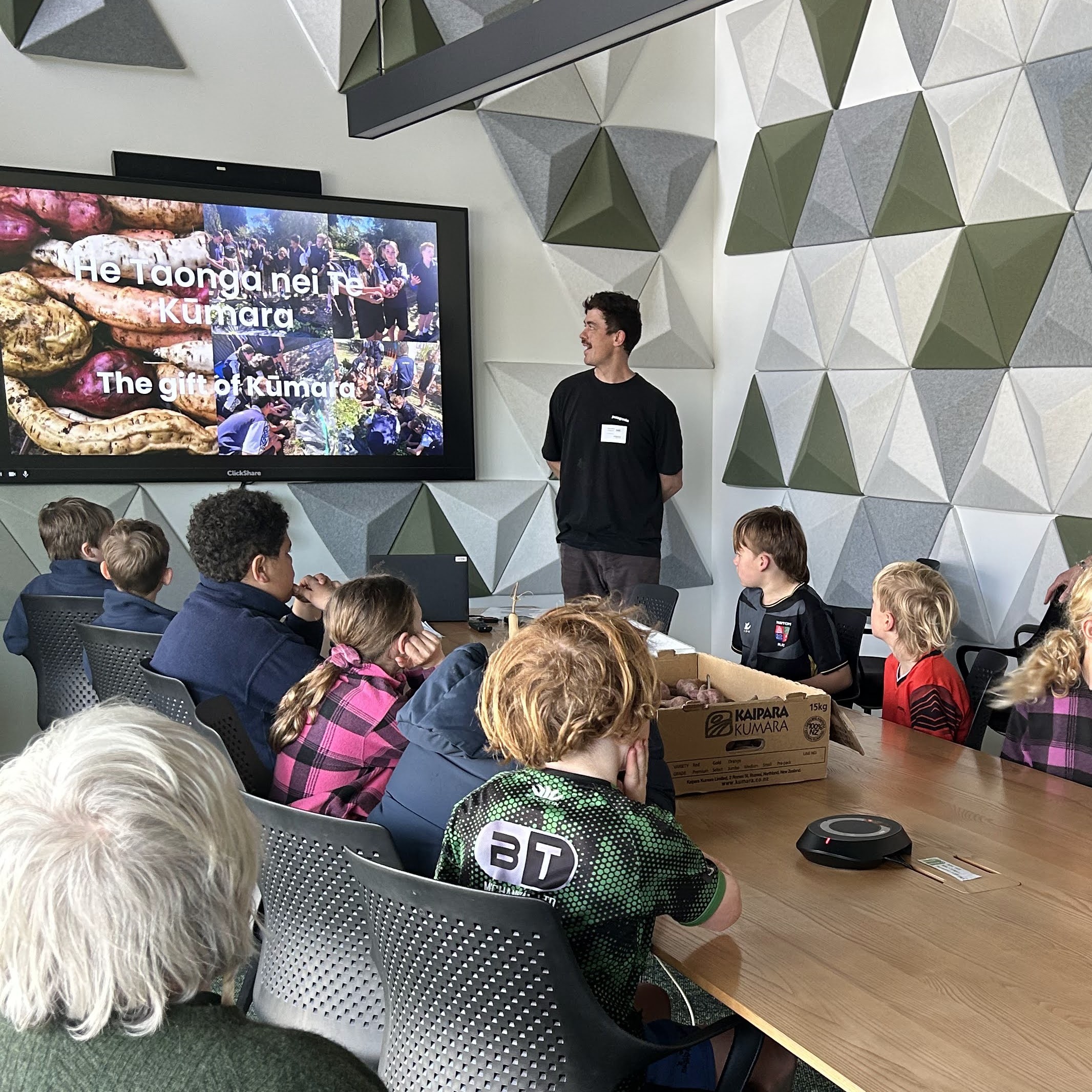
Over the past few years there has been an increasing interest in growing kūmara in Marlborough. We have seen this in both schools with our Kids Edible Gardens facilitators and ECE centres. So this term we hosted a workshop to deepen and strengthen this knowledge alongside Reuben Molnar from Te Whatu Ora and Tane Anderson from Sports Tasman.
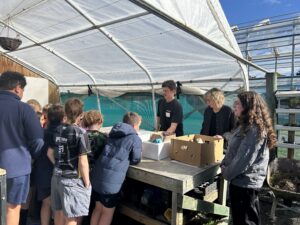
Reuben and Angela demonstrating how to set up a tāpapa
Reuben Molnar, has been raising kūmara tipu with rangatahi at NMIT and growing crops at the community gardens. Over the past couple of years the rangatahi have generously shared some of the tipu they raised with Kids Edible Gardens. This has given our tamariki the opportunity to grow and care for kūmara in their own school gardens.
As the tamariki’s interest in this special vegetable has grown, so have their questions! How do you grow kūmara? Where do the tipu come from? Why don’t we just plant a kūmara in the ground like a potato? And what is a kūmara tāpapa?
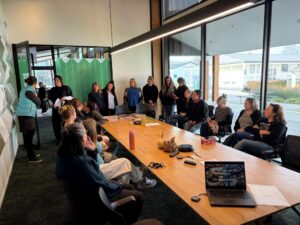
ECE kaiako workshop
So by hosting two back to back workshops, one for the students and once for ECE teachers we endeavoured to have these questions answered. We invited Reuben to share some of the knowledge he has gained through his own kūmara-growing journey and give them the opportunity to take part in preparing a kūmara tāpapa themselves.
A little bit of history
Kūmara was an important kai for Māori and was once grown extensively on the hills around the Wairau Lagoons. Reuben taught them about the connections between kūmara and Rongomātāne, atua of cultivated foods. Including how growing and caring for kūmara can be an expression of kaitiakitanga, our responsibility to care for the natural world. Sharing the harvest is also an opportunity to practise manaakitanga, caring for others and enhancing their mana.
Growing our knowledge
But before you can grow a crop, you first have to “wake up” the kūmara.
Waking up the kūmara is the beginning of the growing process. It encourages the stored kūmara to produce new shoots, or tipu. Traditionally, Māori gardeners observed the natural world and maramataka to help recognise when the time was right. Tohu or seasonal signs such as the appearance of stars and the flowering of plants like kūmarahou, helped signal the changing season and approaching time for preparing kūmara tapapa.
Growing kūmara in Wairau comes with challenges. In warmer parts of Aotearoa, kūmara can be started outside. But our cooler spring temperatures and risk of frost mean they need a little extra help. At NMIT, Reuben and the rangitahi he works with start their kūmara indoors on heated beds.
One seed kūmara can produce around 10–15 tipu. Once the tipu reach approximately 20–30 cm long, they can be carefully removed and planted out to grow in outdoor garden beds.
Time to plant
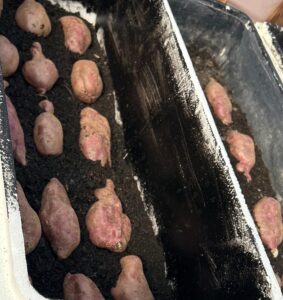
Tapapa ready to go
After a quick powerpoint presentation from Reuben, it was time to have a go! After setting the intentions through karakia, Polystyrene boxes were filled with layers of sand and soil. The kūmara were then nestled into the damp growing soil. These larger tāpapa will remain at NMIT, while mini versions using repurposed Tetra Pak cartons were set up to take back to their schools and centres to support their continued learning.
The students were split into two groups for their workshop. While one group worked with Reuben, the other joined Tane Anderson from Sport Tasman to learn and play traditional kēmu. These kēmu are connected with harvest time and added plenty of fun and laughter to the afternoon.
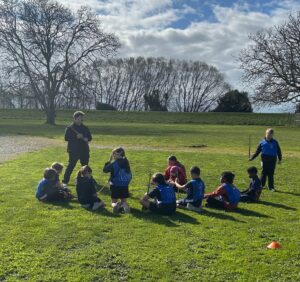
Tane talking through the kimara game
It was an afternoon packed with hands-on learning. Meaning that tamariki and kaiako left with the knowledge and confidence to share what they had learnt and show others how to establish a kūmara tāpapa back at school
And that sharing has already begun! Tamariki from Waikawa Bay School have visited Waitohi Kindergarten to show the younger children how to set up their own tāpapa.
From rangatahi sharing tipu, to tamariki learning how to grow them, and then passing that knowledge on to others, it’s a great example of where we can all be both learners and teachers.
Reuben has put together a fantastic resource with support from the Bioeconomy Science Institute – Plant and Food Research and Bohally Intermediate. Contact us if you would like more information.