
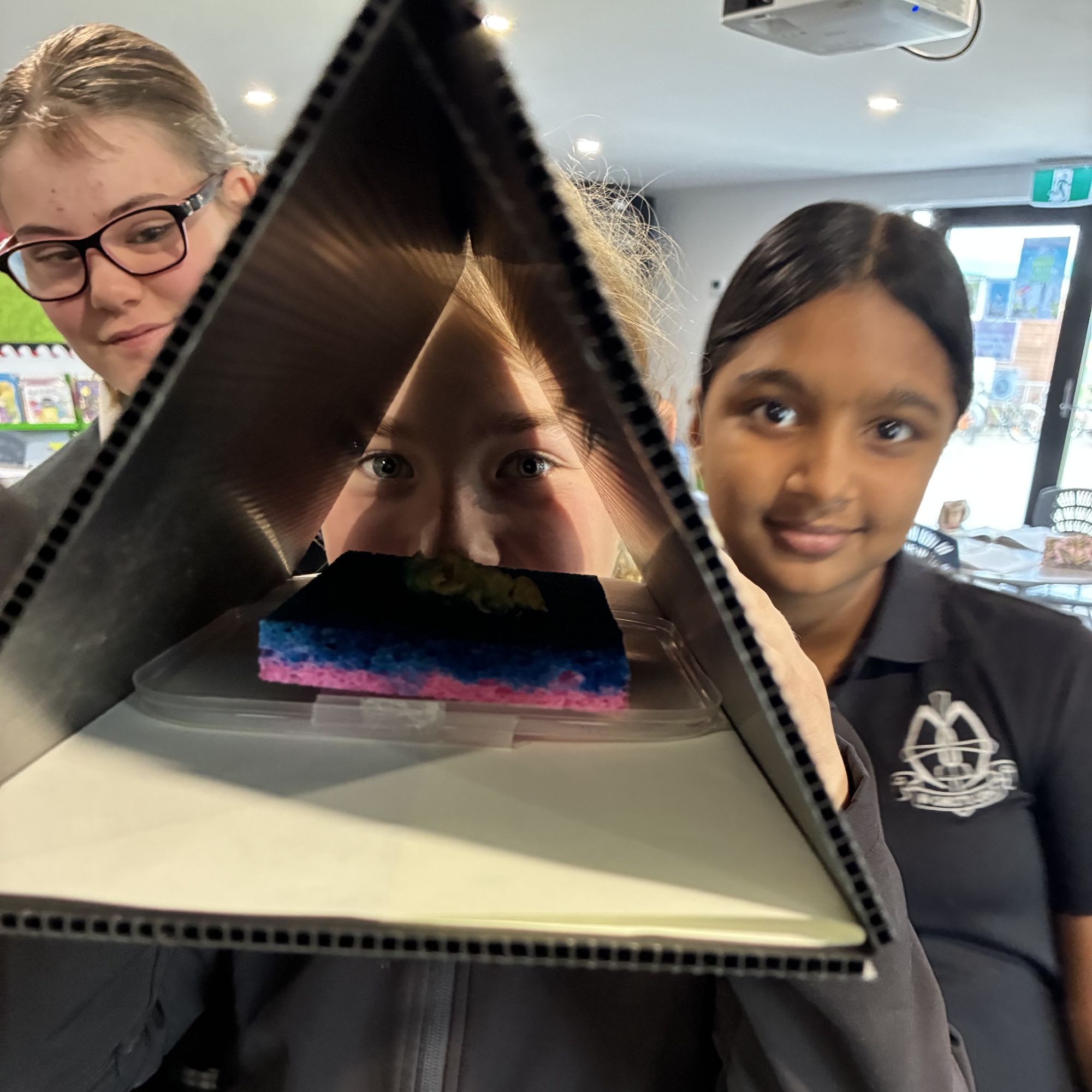
Becoming Pest Detectives at St Mary’s School
How have New Zealand birds adapted to their environment, and how can we help protect them for the future?
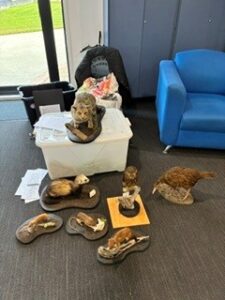
Taxidermy wild life kindly lent to us by Picton Dawn Chorus
That was the big inquiry question Year 7 and 8 students at St Mary’s School explored with Angela with a focus on native birds and introduced predators and pests. Using real-life examples, hands-on activities, and a little detective work, tamariki discovered why many of our native manu need our help.
One of the highlights of the session was meeting a collection of taxidermy animals. Students had the rare opportunity to meet introduced predators including a rat, stoat, ferret, weasel, and a cat. Alongside two much-loved native birds, a ruru and a weka. It was a neat experience to see what they look like in the wild and led to plenty of curiosity and discussion about the impacts predators have on New Zealand’s unique wildlife.
Tamariki learned that many of our native birds evolved in a world without land mammals. As a result, some nest on the ground, fly poorly, or are slow to react to danger. This makes them especially vulnerable to introduced predators.
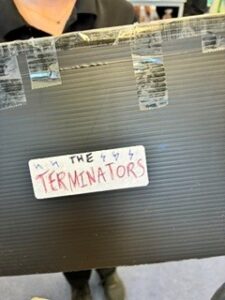
The Terminator Tracking Tunnel
Becoming Pest Detectives ment that they read ‘Case Files’ showing evidence (chew marks, footprints, poo) of pests then matched them with the offender. The real excitement began as ākonga were given materials to build tracking tunnels. Tracking tunnels use inked pads and cards to record the footprints of animals that walk through them. This helps us find out what creatures are sharing our environment.
Working in teams, students carefully assembled their tunnels and enthusiastically brainstormed the best places around their school grounds to set them up. Quiet corners, fence lines, and areas near vegetation were all popular suggestions.
Students were fascinated by examples of real tracking tunnel cards showing tiny footprints left by wētā and geckos. They were eager to discover what might be living around their school.
The follow up…
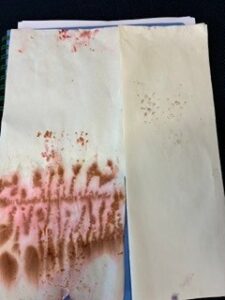
Clear hedgehog footprints from one of the tracking tunnels
Three weeks later, when Angela returned they proudly shared their tracking cards, revealing clear footprints from hedgehogs and mice. Their discoveries led to further conversations about biodiversity, pest monitoring, and how small actions can contribute to protecting native species.
Some tamariki are sharing their knowledge of tracking tunnels with others at school. Including running an afternoon activity showing them how to make their own tracking tunnels.
Who knows what other wildlife mysteries their tracking tunnels might uncover?