
Discovering Life in the Awa at McKendry Park
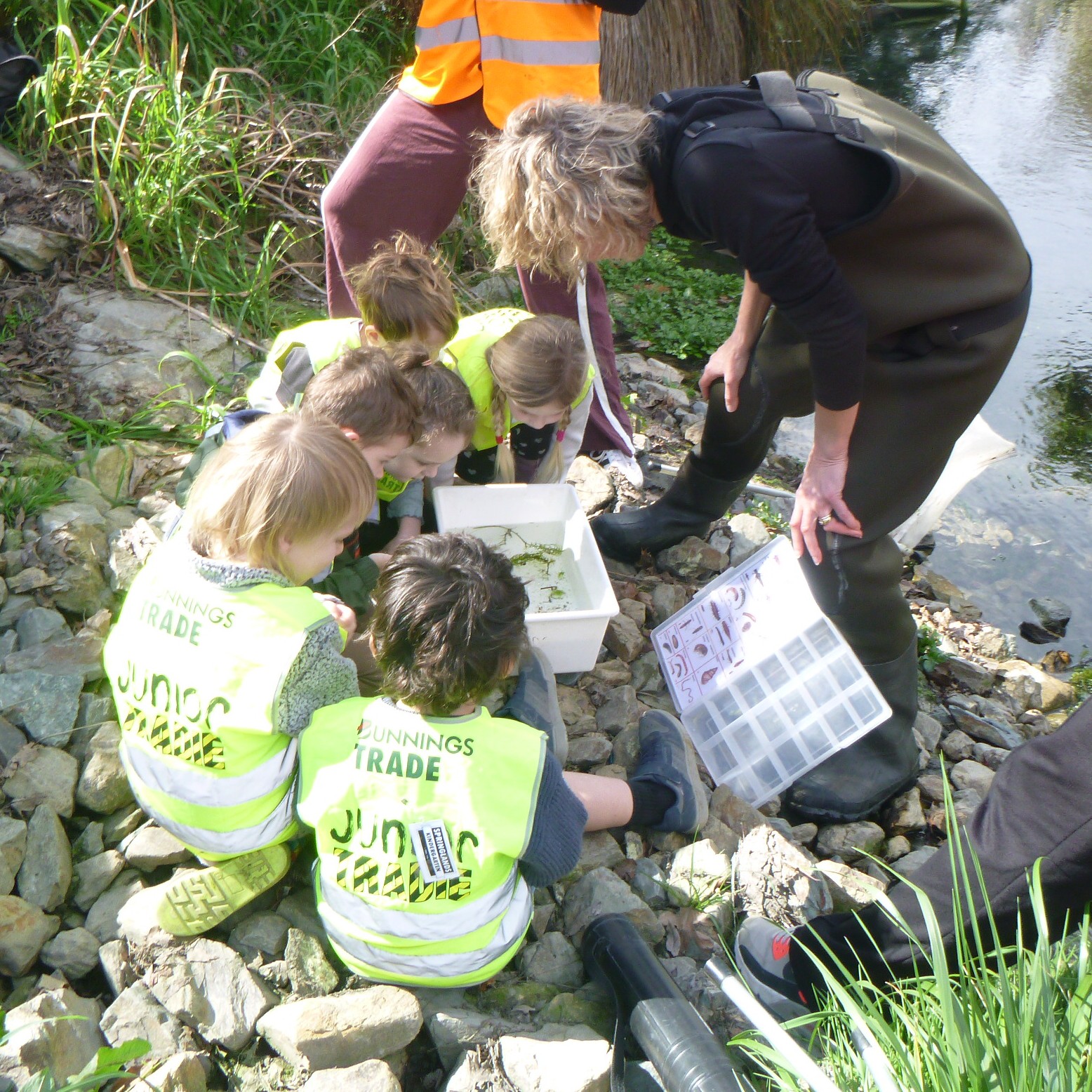
A small group of tamariki at Springlands Kindergarten have been making regular visits to McKendry Park. While there, they made an exciting discovery – tuna (eels) living in the small awa that flows through the park. Watching and feeding the eels quickly became a favourite activity, but it also sparked a question: What else lives in the awa?
To find out, the group invited Angela to join one of their visits and share her knowledge about the invertebrates that make the awa their home.
Wary of the eels and grateful for her waders to keep warm and dry, Angela demonstrated how to gently catch invertebrates. She showed the tamariki how to lift stones from the streambed and use a net to catch the tiny creatures that get dislodged and float into the mesh.
Among the creatures they found were stonefly nymphs and caddisfly larvae.
-
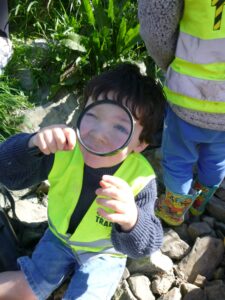
- Koa learning to use a magnifying glass to see tiny invertebrates
-
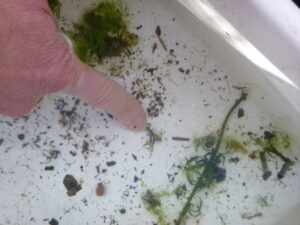
- A large Mayfly nymph was discovered in the stream that runs through McKendry Park
Stoneflies are freshwater insects that live in clean, well-oxygenated streams. Their nymphs are indicators of healthy water—they breathe through gills along their bodies, so they only survive where the water is fresh and flowing.
Caddisflies are clever little engineers! Their larvae build protective cases around themselves using tiny bits of sand, gravel, or plant material stuck together with silk. Each case is unique, like a miniature sleeping bag, and helps keep them safe from predators.
-
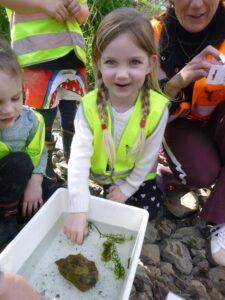
- Lela getting her hands wet sifting through weed and turning over rocks to find invertebrates.
-
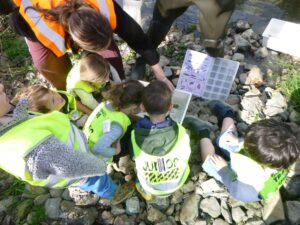
- Tamariki identifying with invertebrates using the key on the bug boxes.
The tamariki were fascinated to see that the awa at McKendry Park is alive with more than just eels—it’s home to an entire community of insects and larvae that are vital to the health of the awa.